
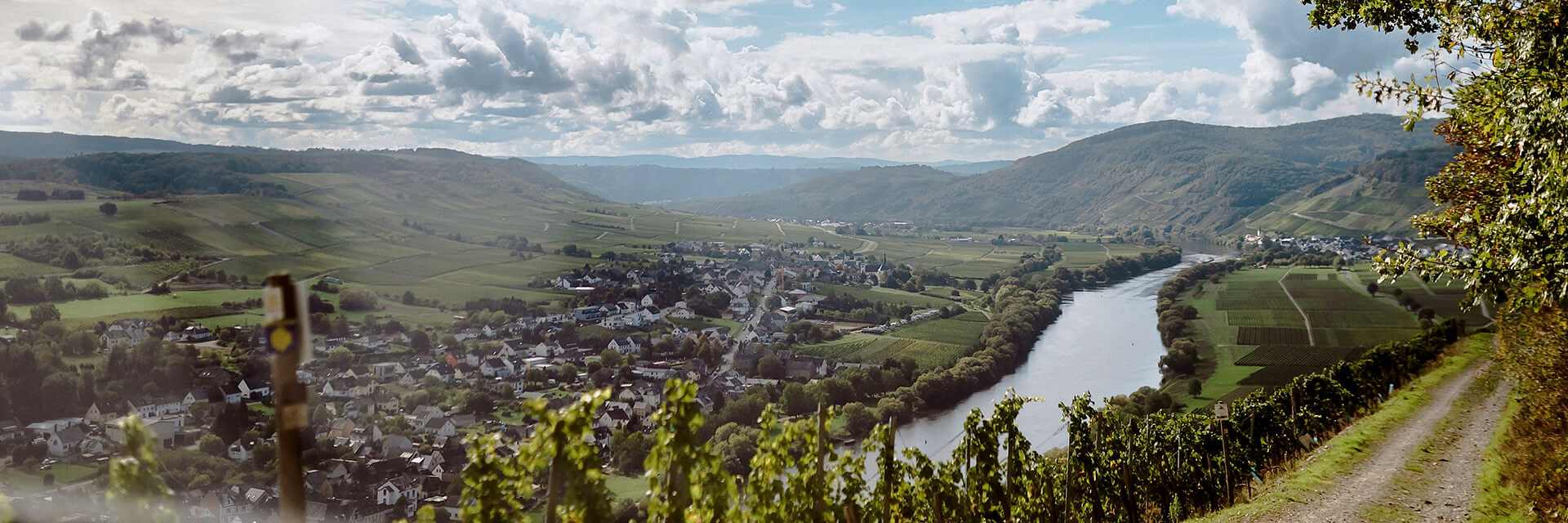
Dry wines from the Mosel
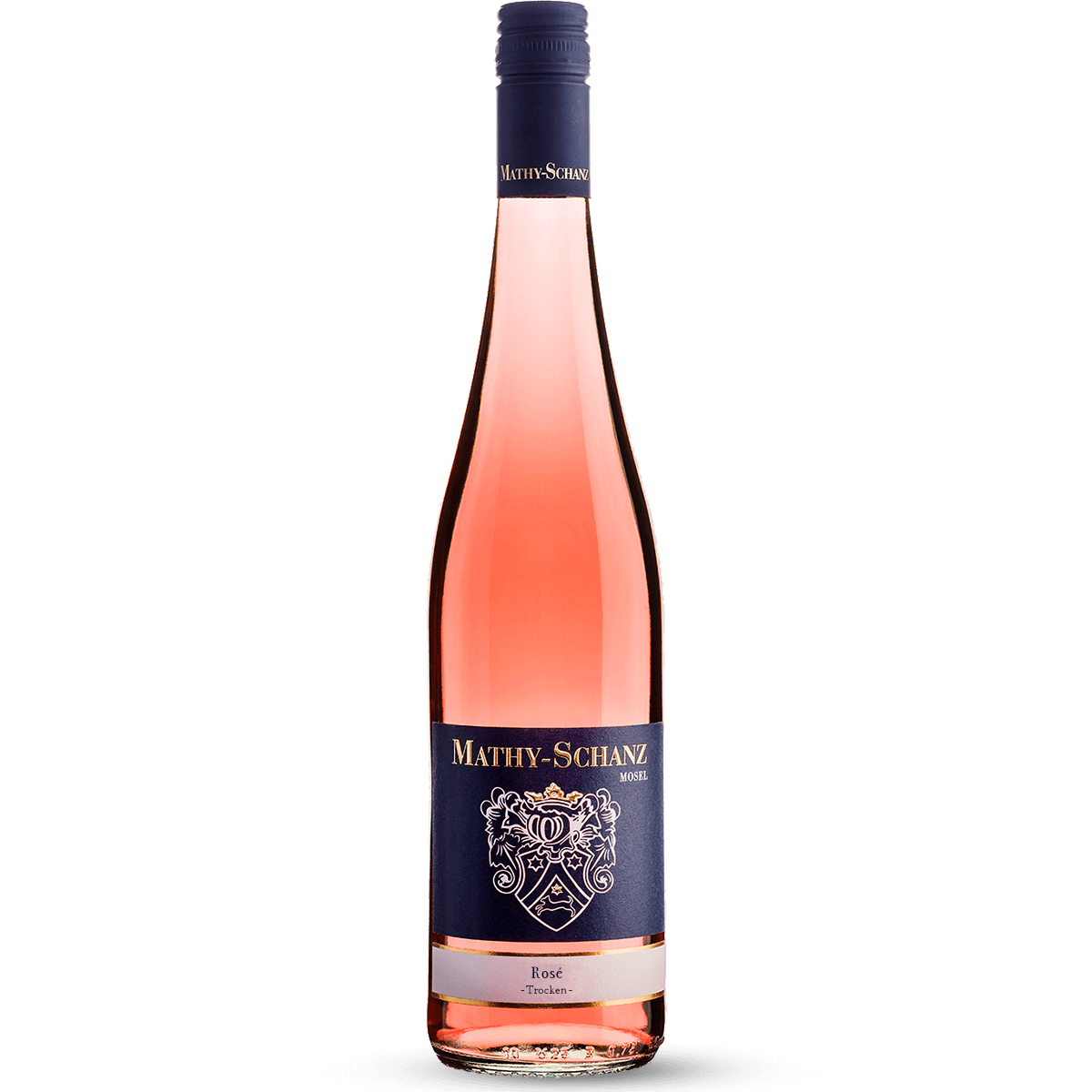
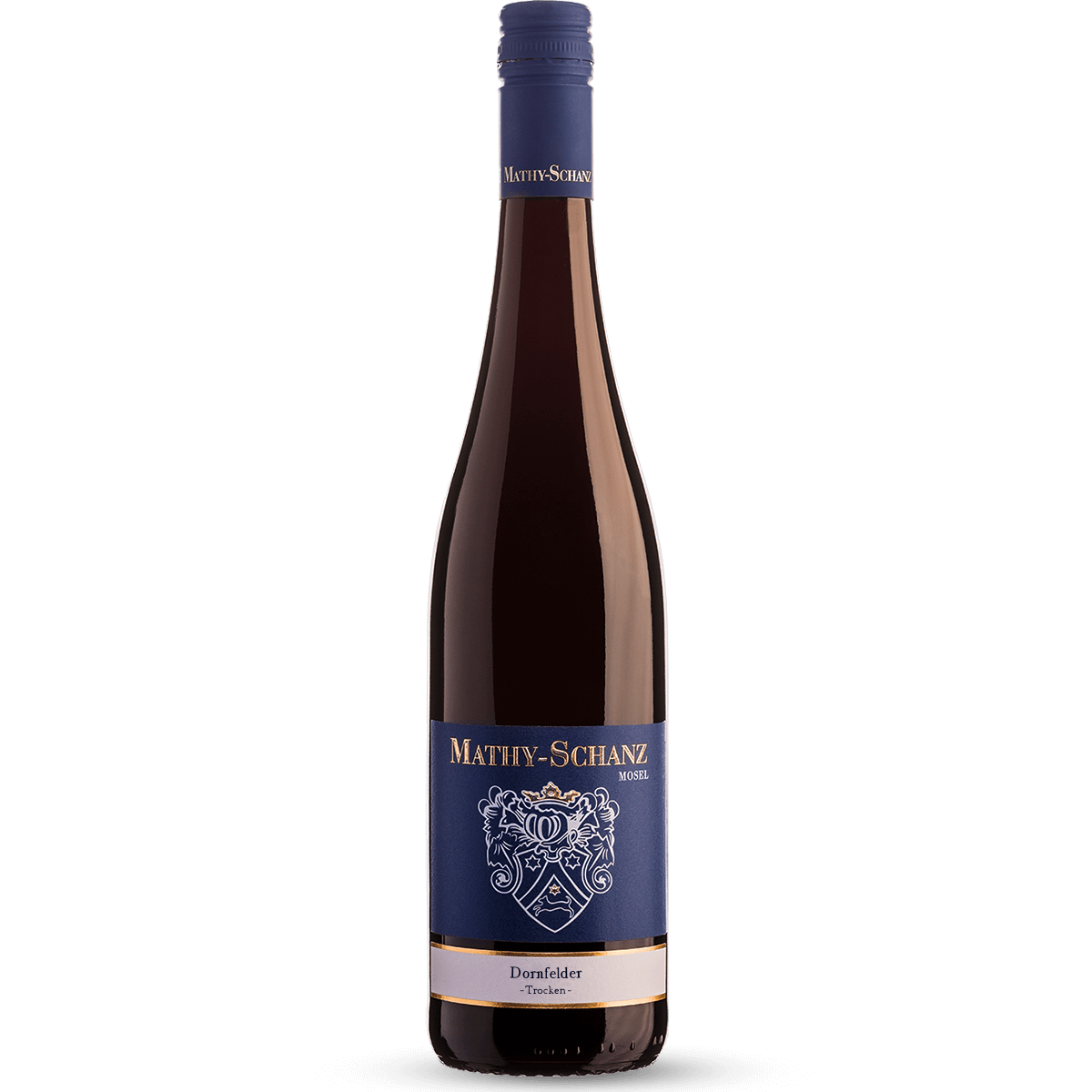

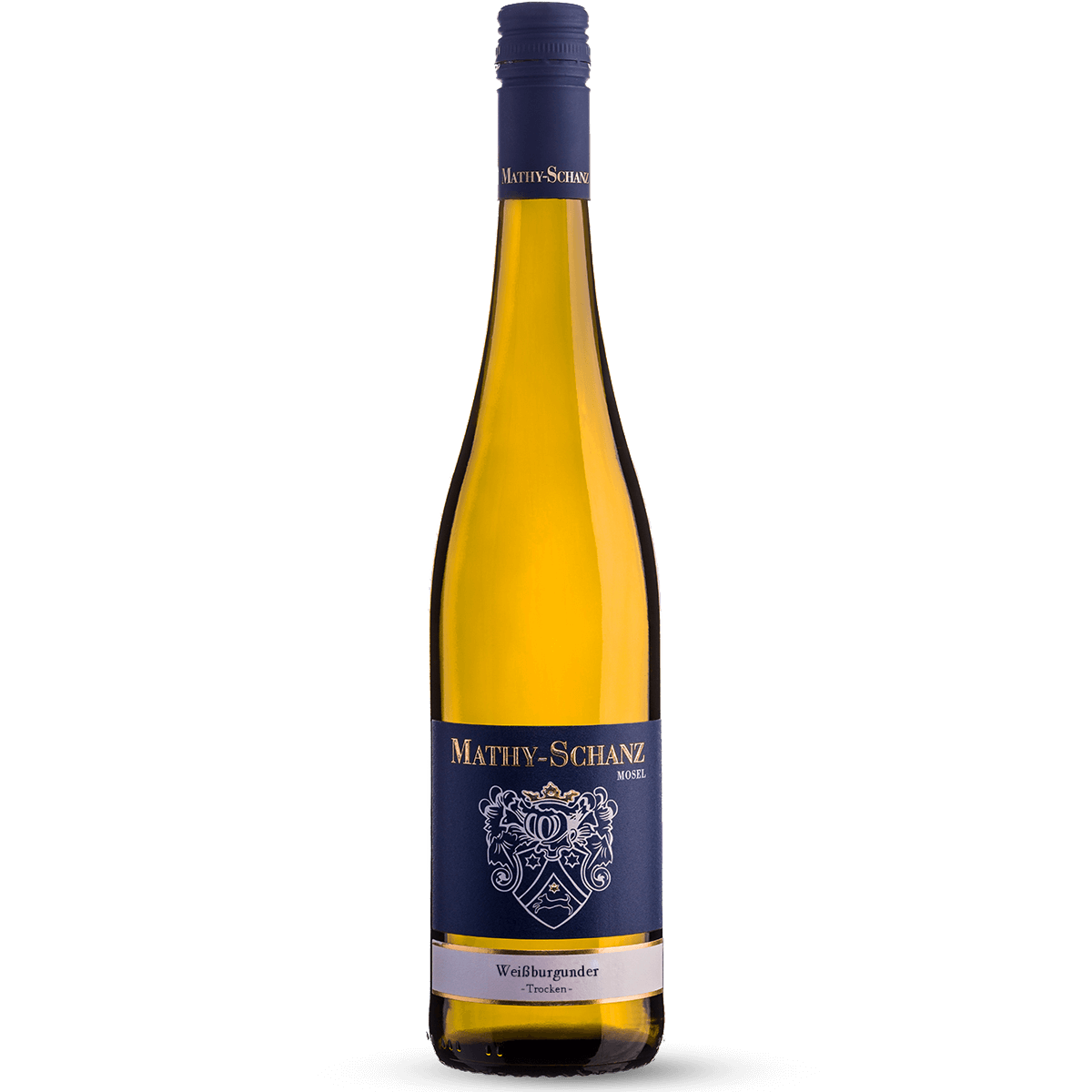
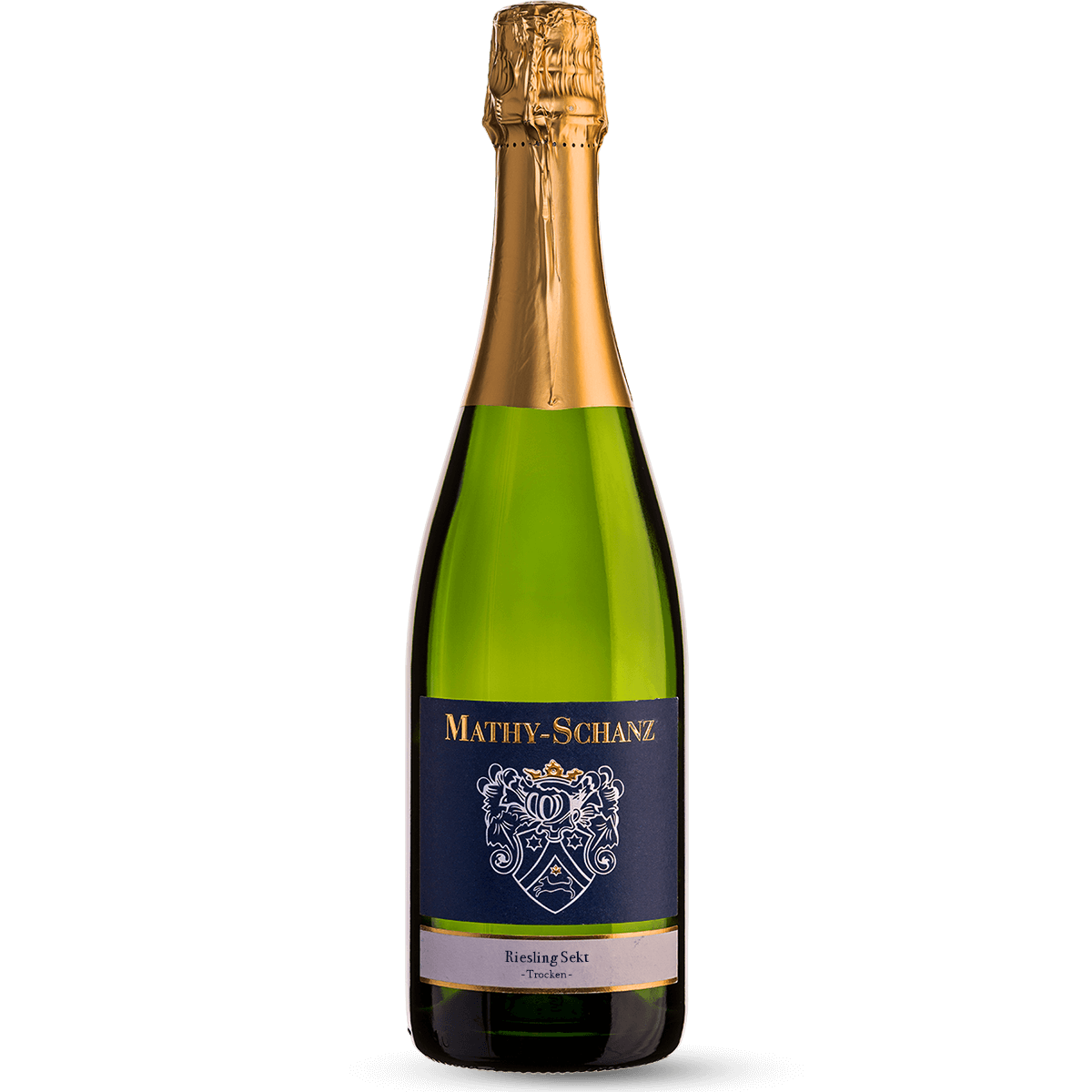
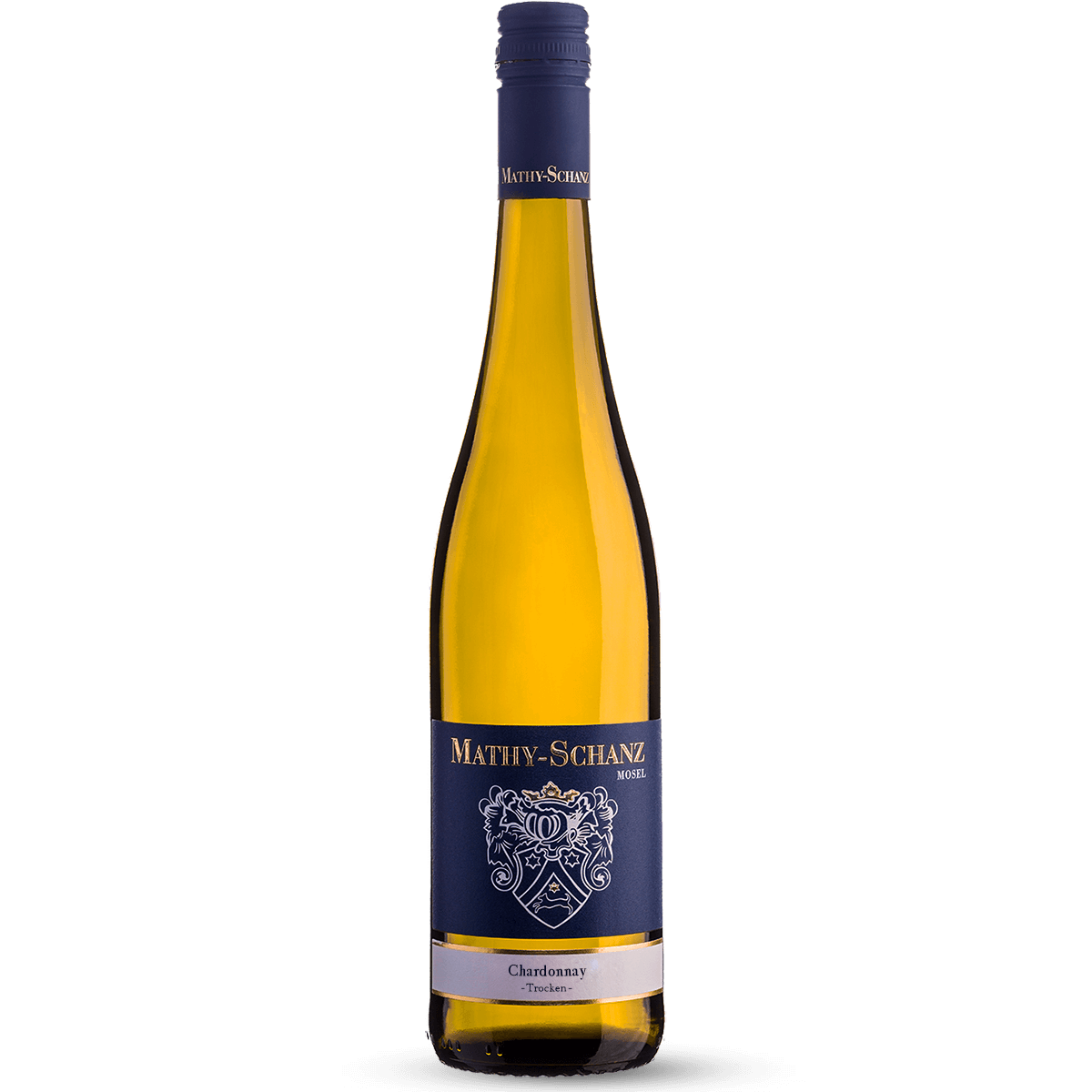
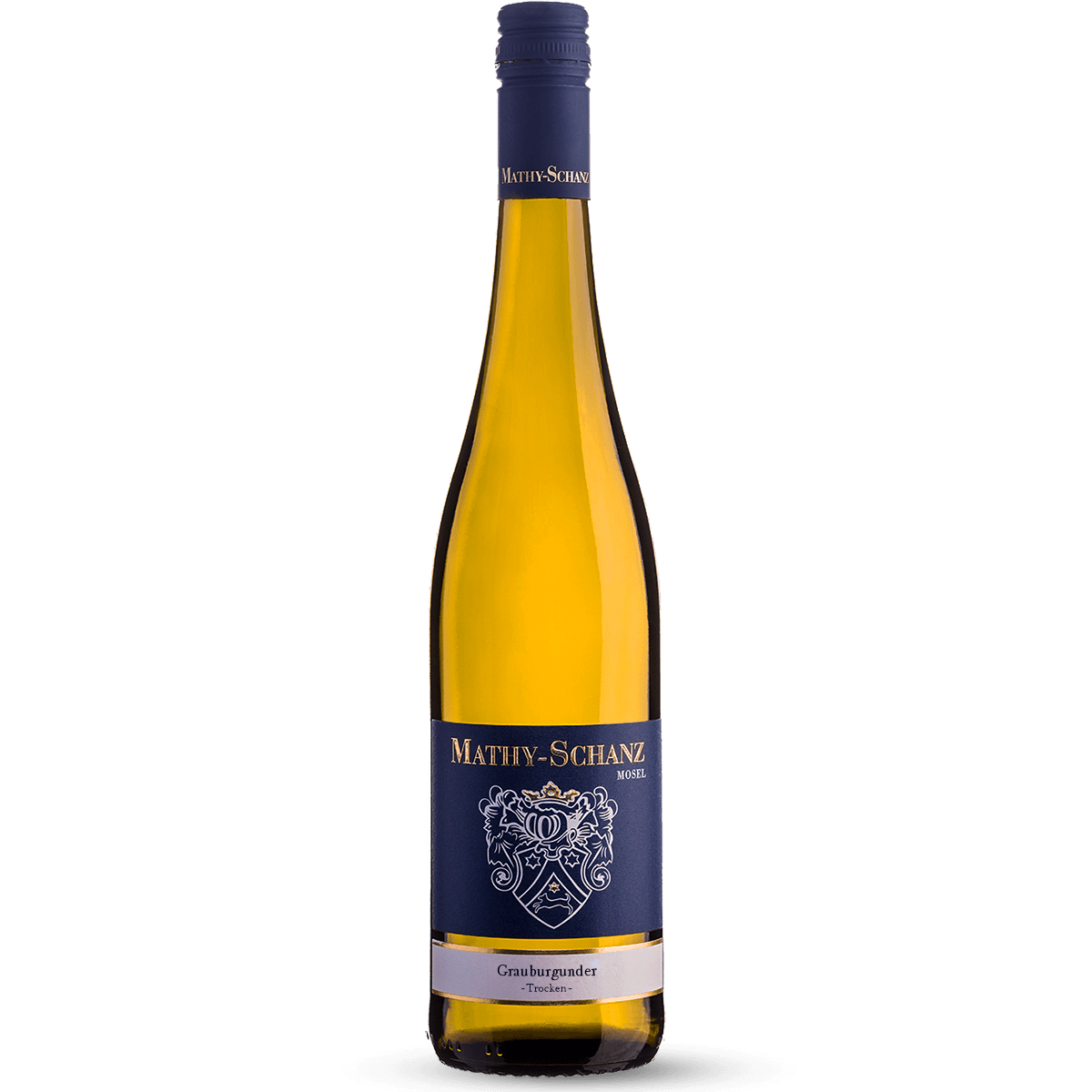

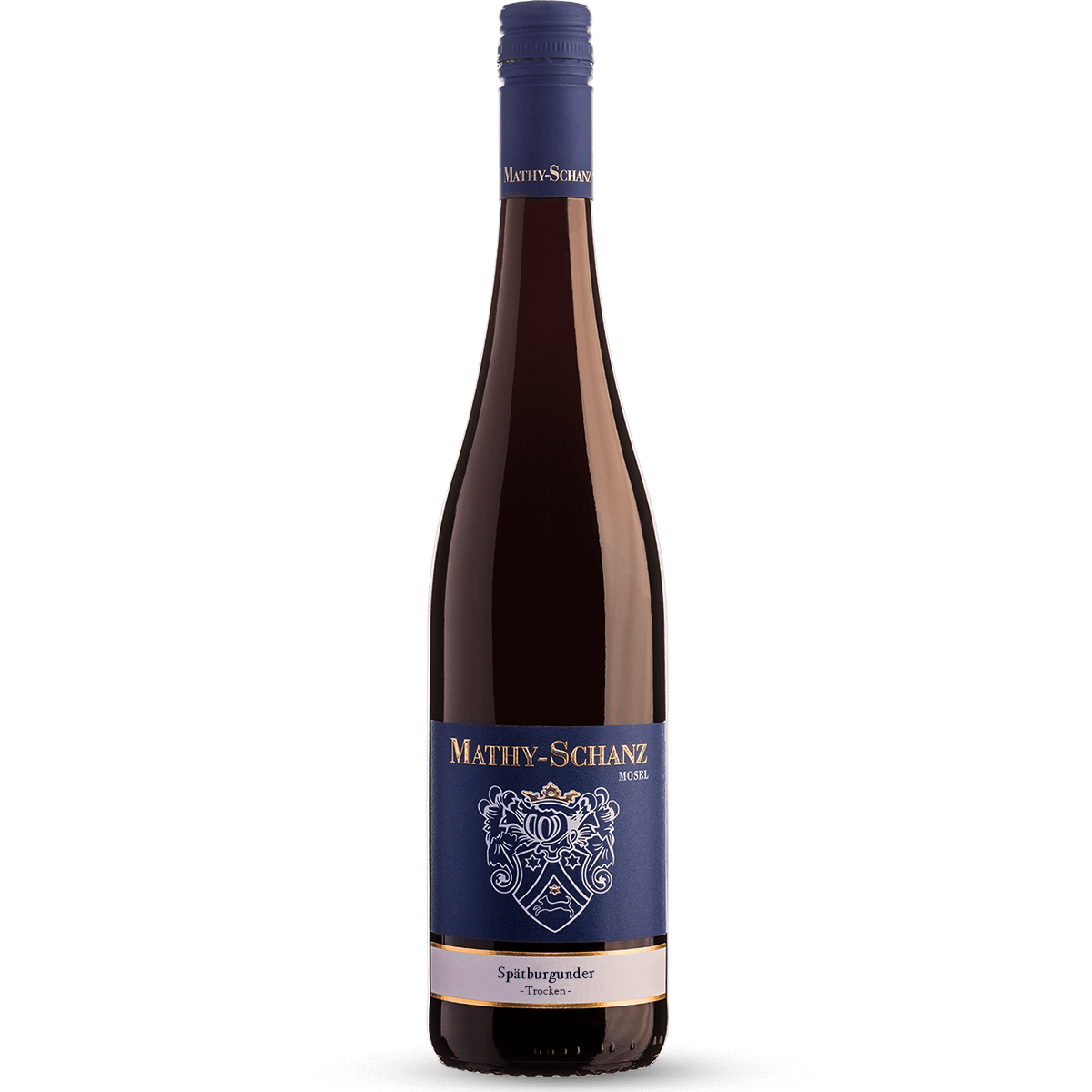
Dry wines from the Mosel
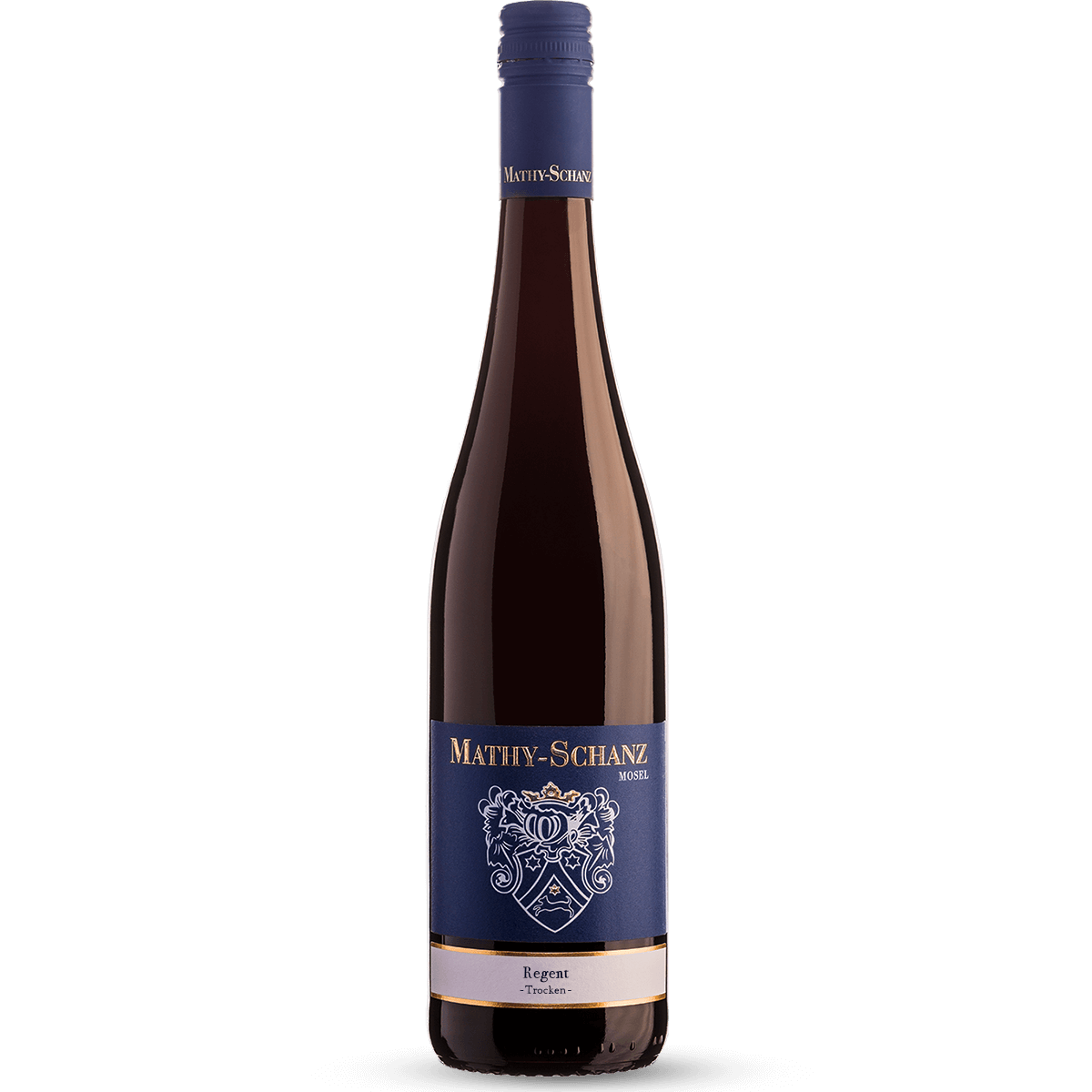
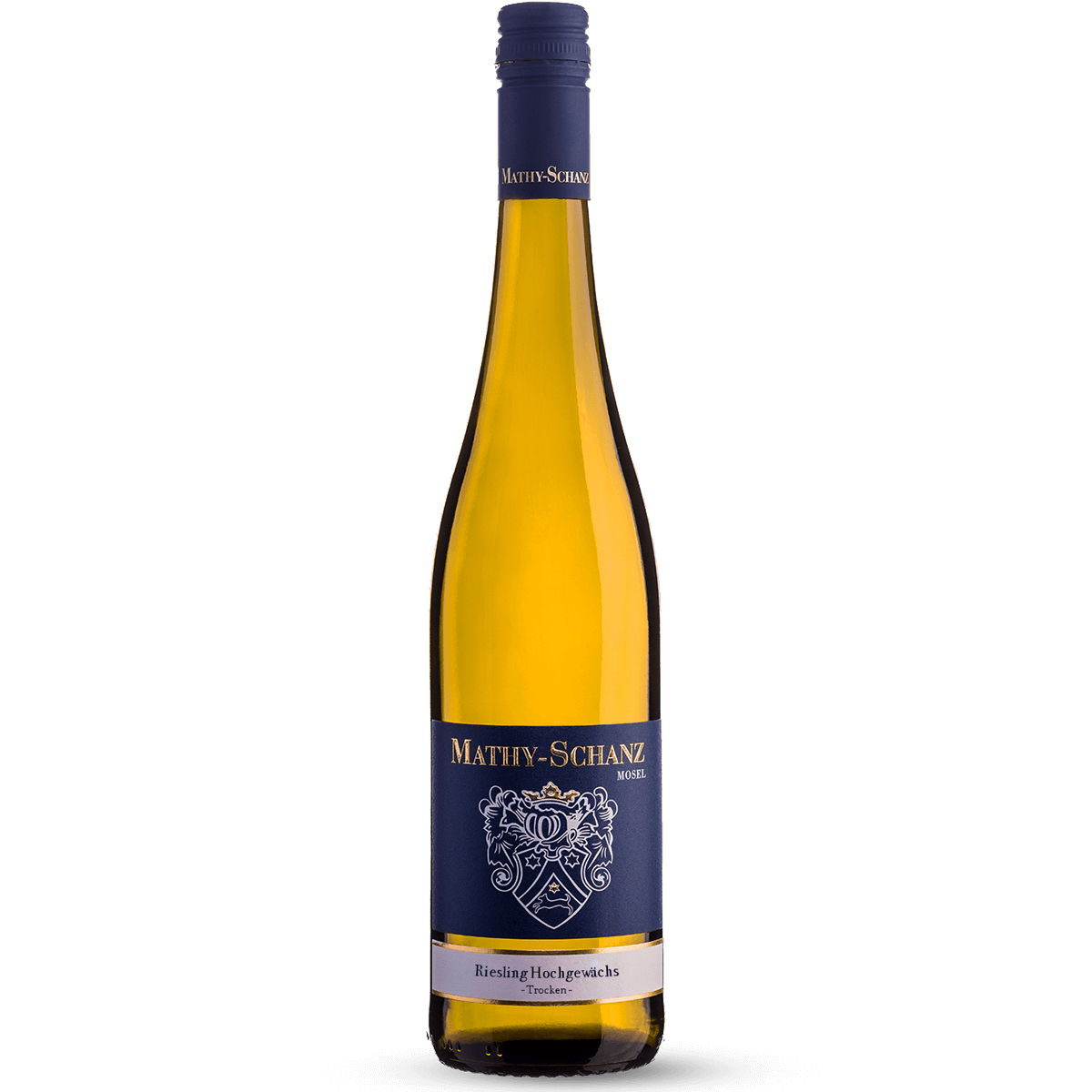
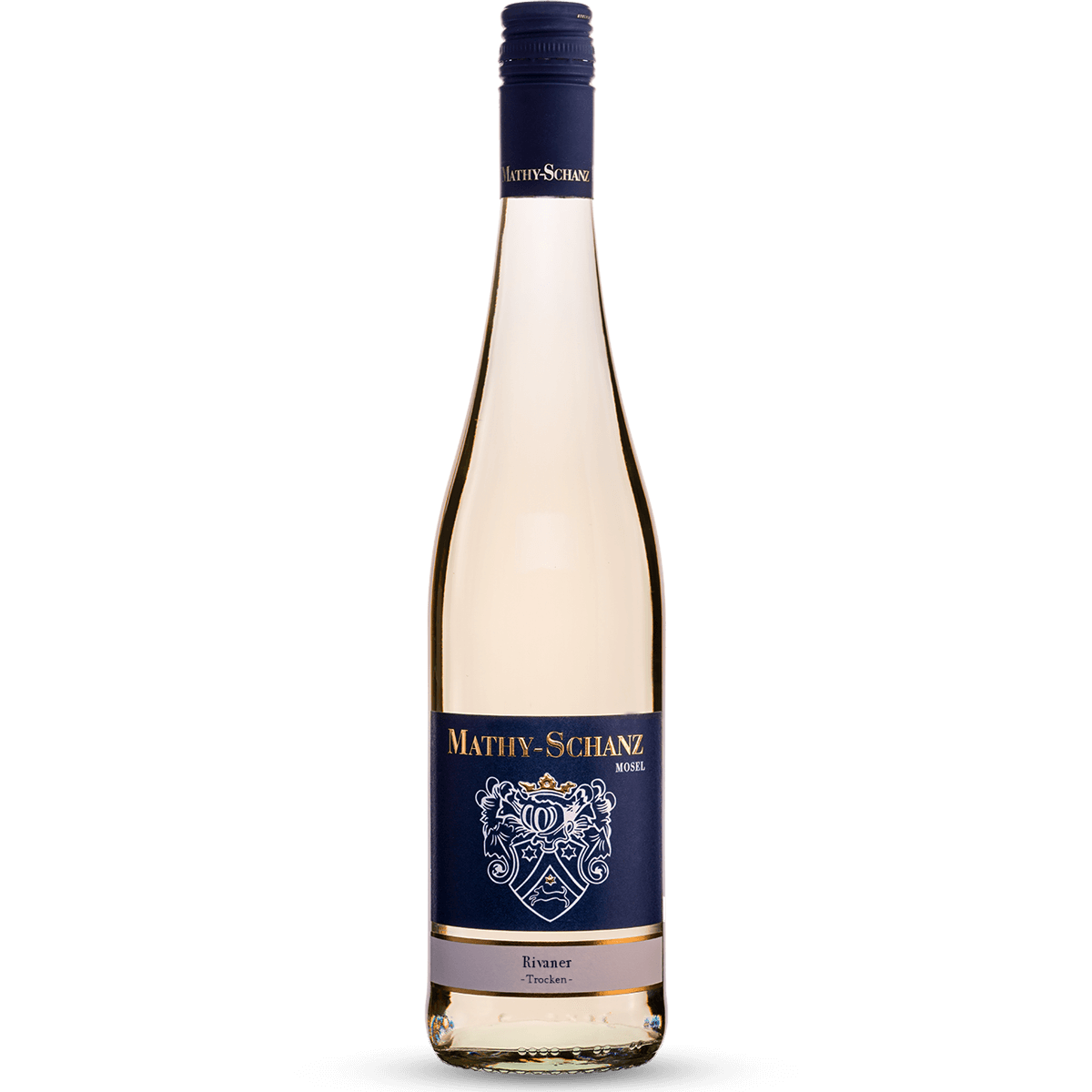
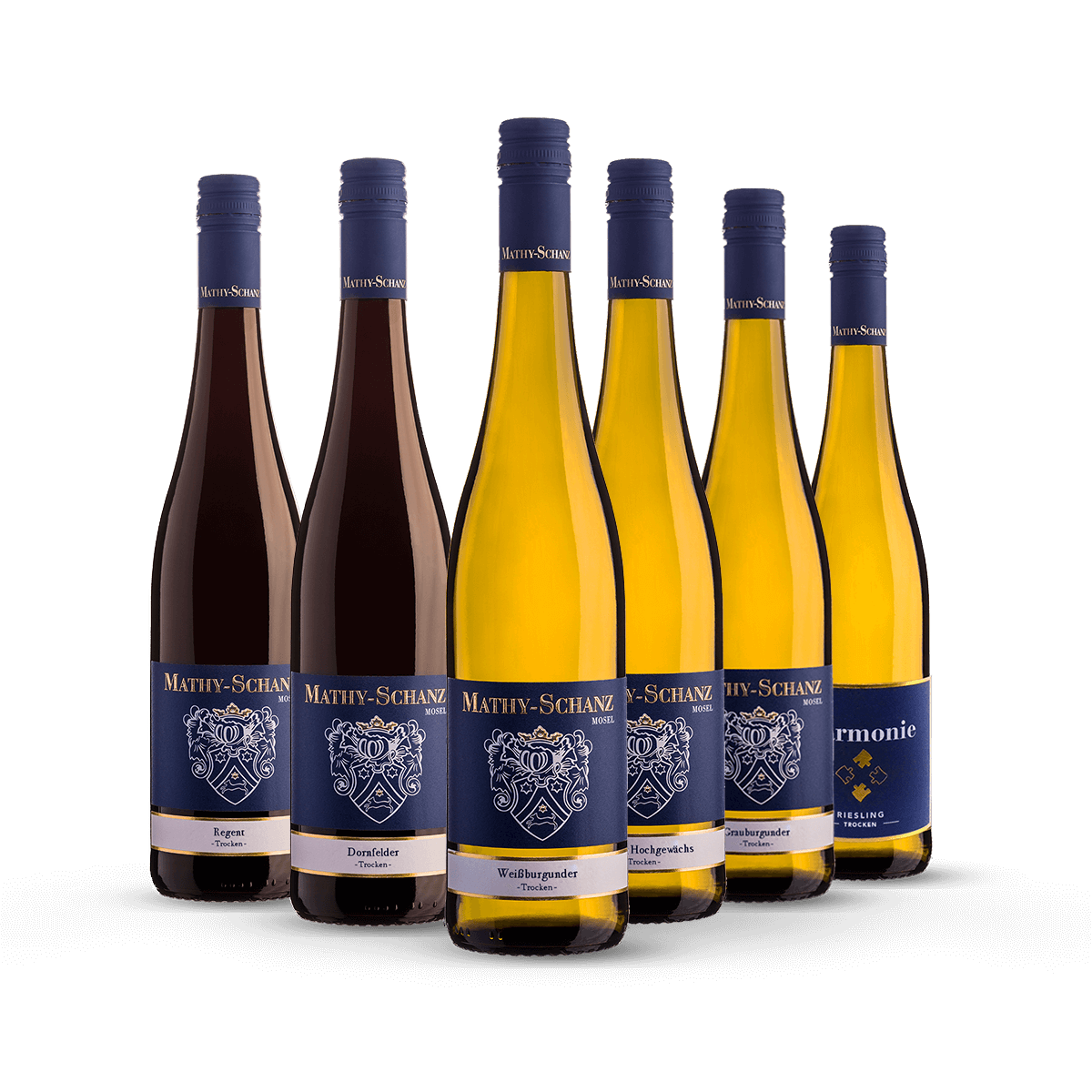
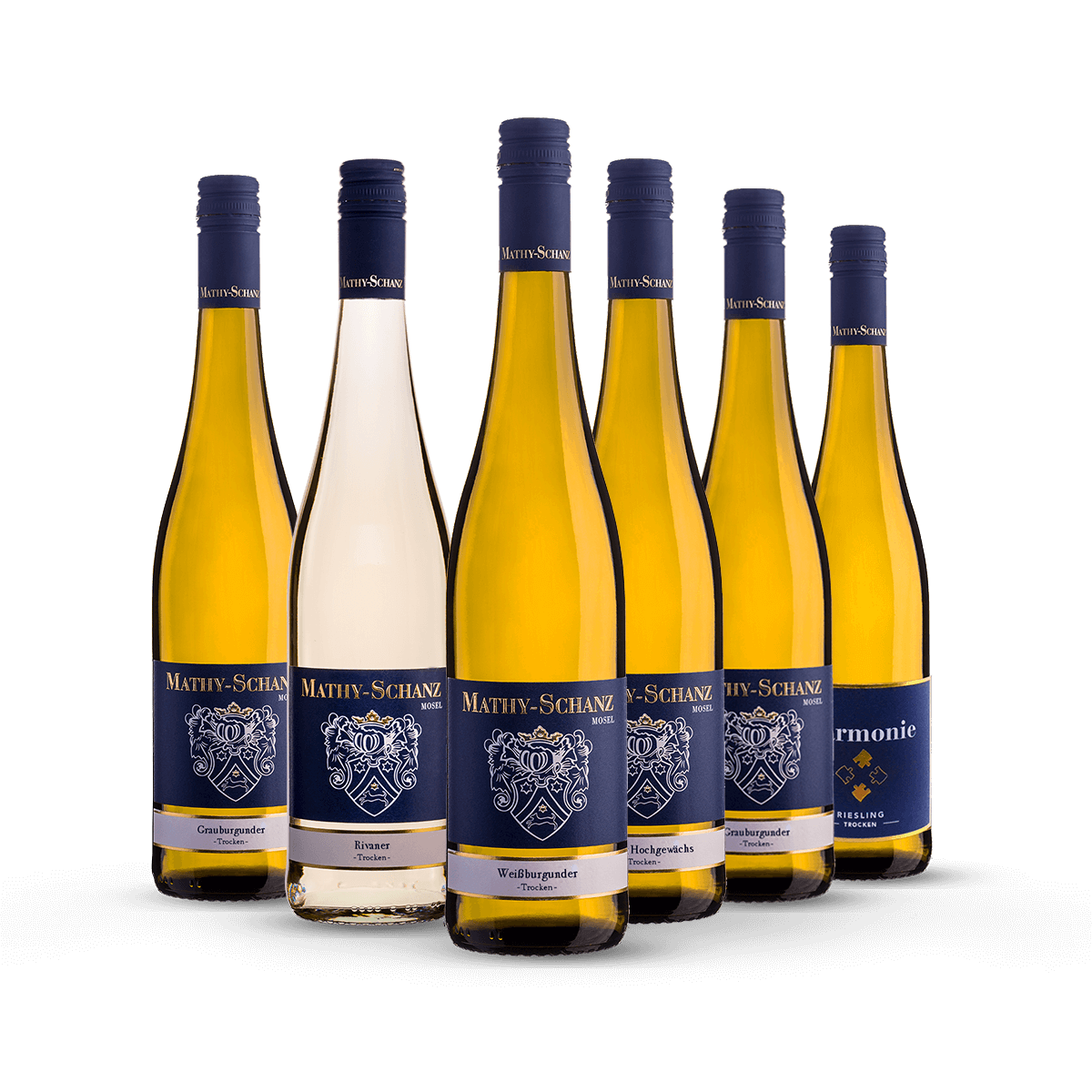
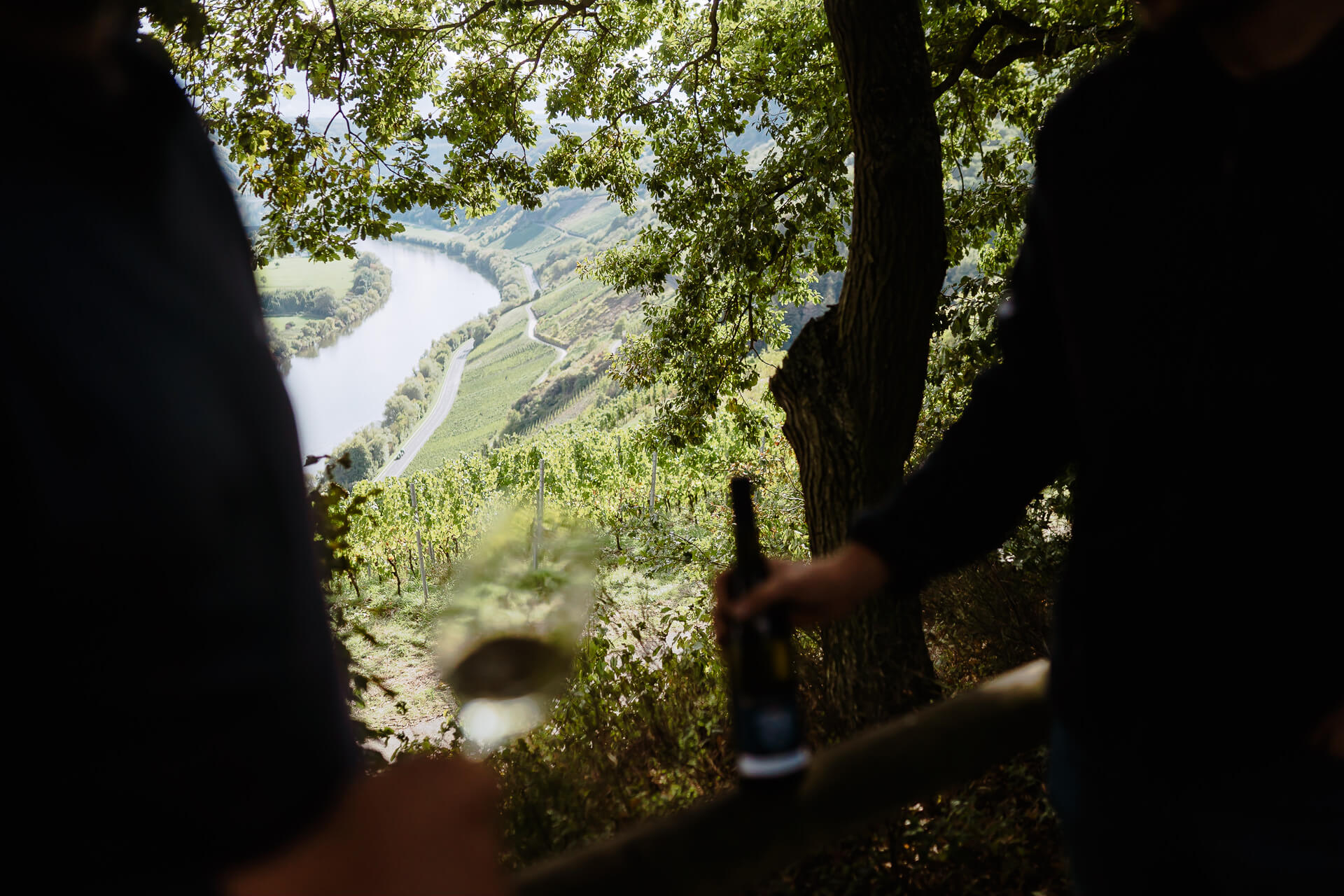
Dry wine is also in demand at the Mosel, but the proportion of dry wines in relation to the total volume is manageable. Only a good 20% of the wines are made dry. In general, the indication of the taste of the wine is, in addition to the grape variety, an essential feature in order for the consumer to find a wine that suits him or her.
Definition of dry wine?
When a wine has to be described as "dry" is clearly defined and legally regulated across countries. Dry wine must have a maximum residual sugar content of 4 g/l. However, there is a special rule that states that wines with a residual sugar content of up to 9 g/l can also be declared as dry if the total acid content is no more than 2 g/l lower than the residual sugar content. This applies to Mosel wine as well as to German and European wines in general. Above all, the special regulation mentioned was introduced especially for German wines, since these often have a higher acidity and therefore still taste dry even with 9 g/l residual sugar.
Dry wine made from sweet grapes?
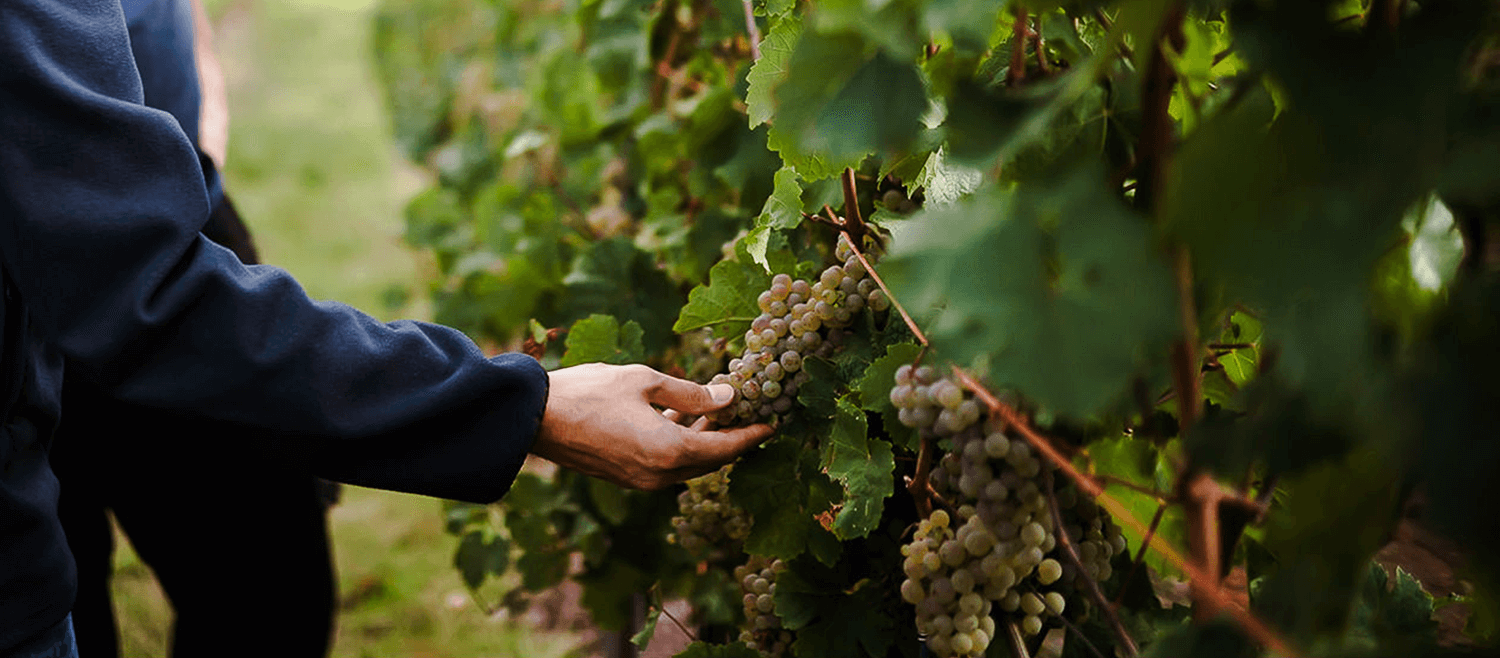
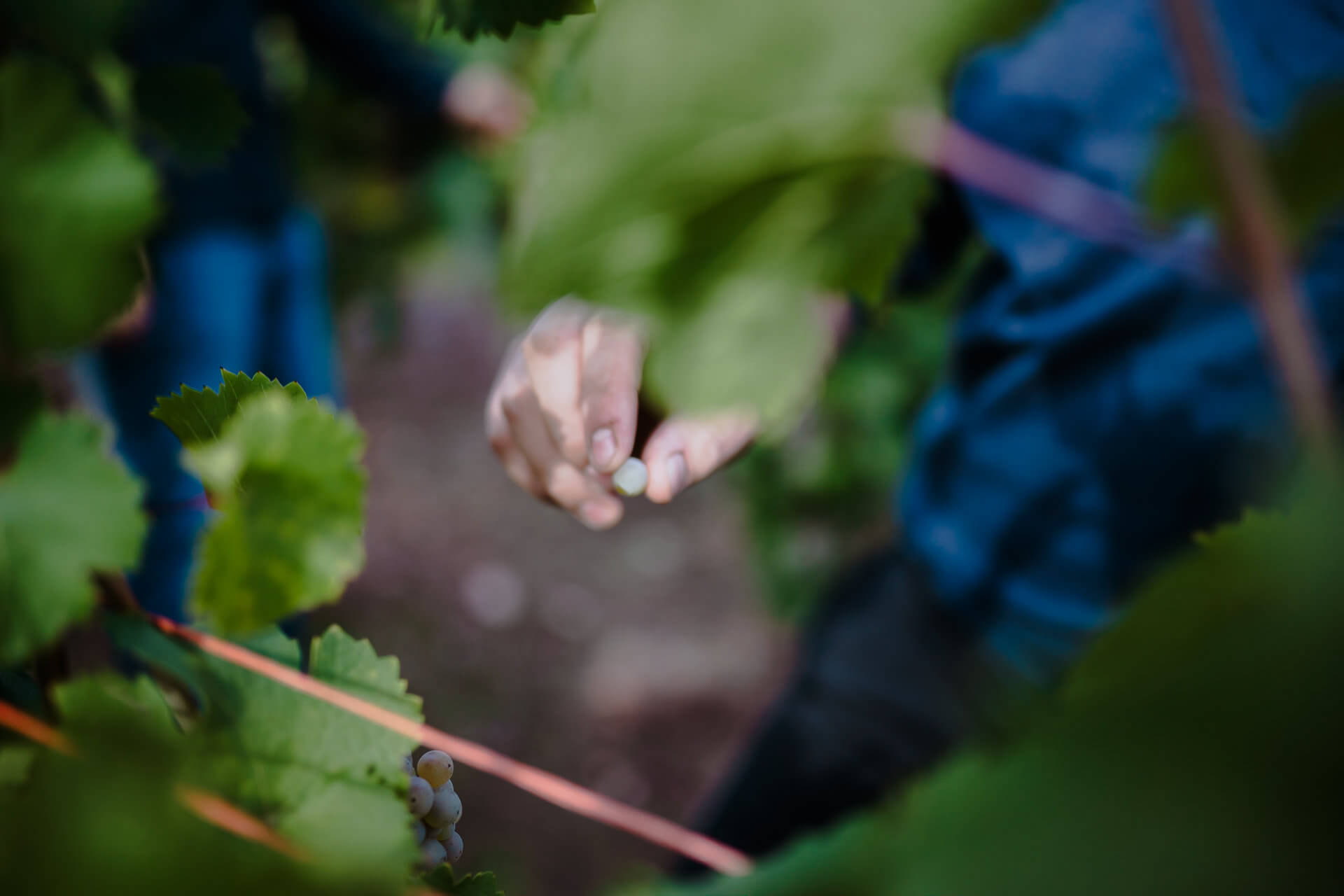
We are often asked how dry wine can be made from sweet grapes. The answer is easy to explain, because as the wine ferments, sugar is converted into alcohol. The longer the fermentation lasts, the more sugar is converted and the drier the wine ends up being. For this reason, dry Mosel wines usually have a higher alcohol content, such as sweet wines from the Mosel.
Dry FAQs
When is a wine considered “dry”?
How is a dry wine produced?
How does dry wine taste?
Which wines are produced in a dry style?
Why are dry wines so popular?
What role does the Mosel play in dry wines?
What food pairs well with dry wines?
How does origin influence dry wines?
Telephone advice or ordering

Mon - Sat 8:00 a.m. - 5:30 p.m
Phone +49 (0) 653 571 40
Mosel wine directly from the winemaker
Grown, harvested and bottled by us at the Middle Moselle.