Skip to main content Skip to search Skip to main navigation

Semi-sweet wines from the Mosel
Average rating of 5 out of 5 stars

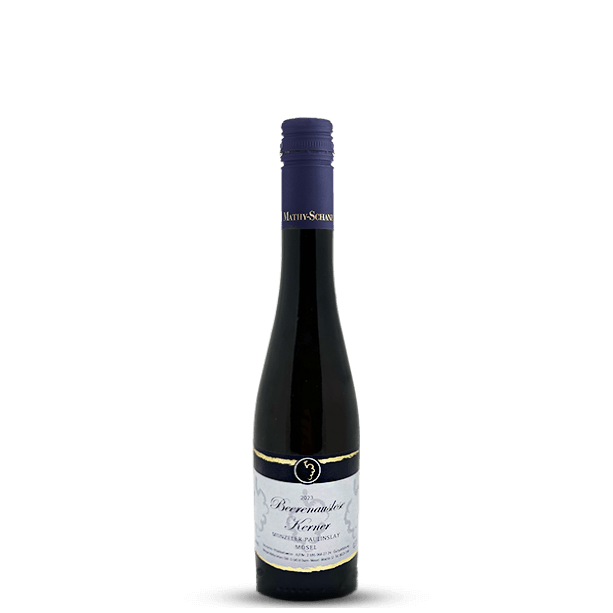
2023 Kerner Beerenauslese

0.375 Liter (€38.67 / Liter)

€14.50

Average rating of 5 out of 5 stars

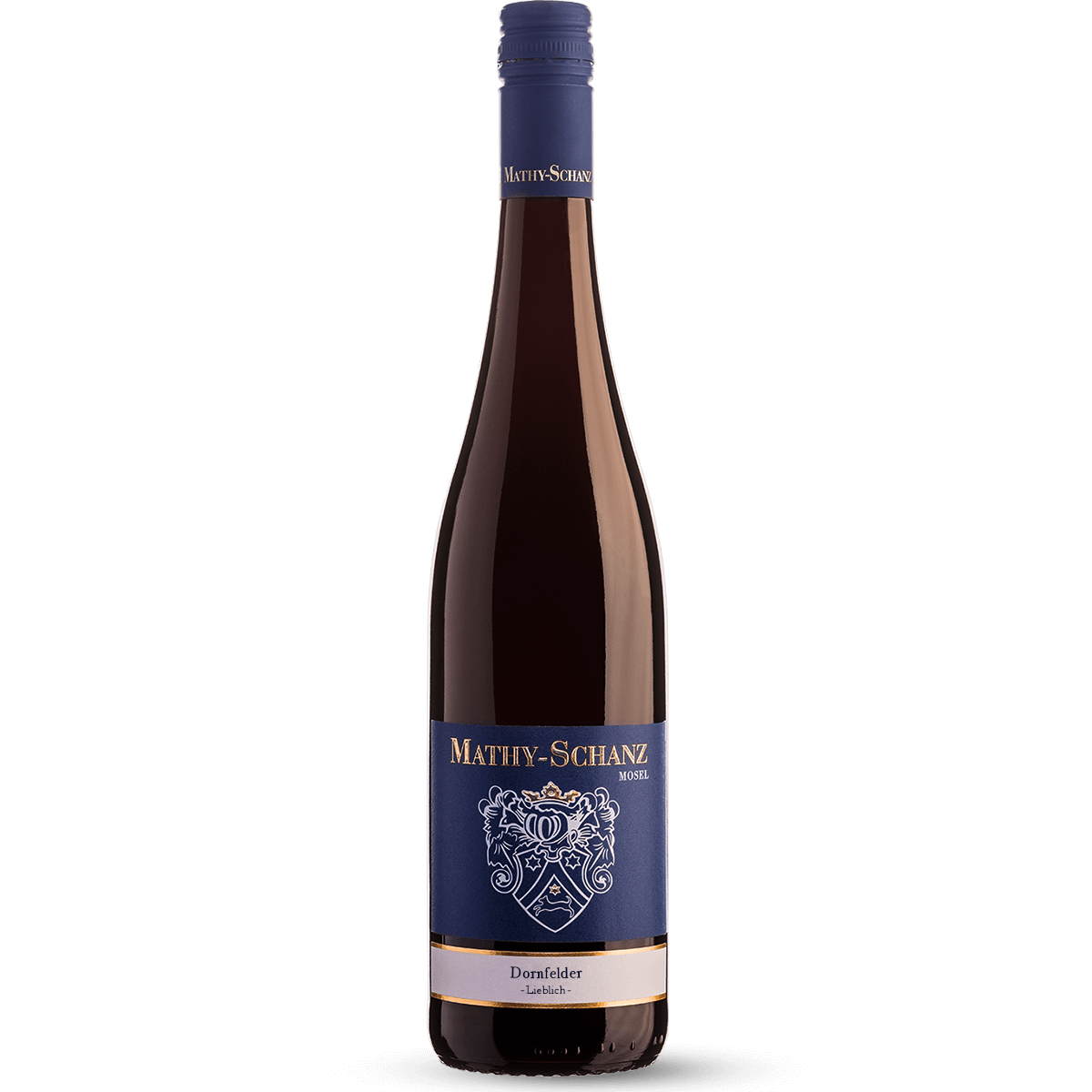
2024 Dornfelder Semi-sweet

0.75 Liter (€9.60 / Liter)

€7.20
Back in Stock Icon

Average rating of 5 out of 5 stars

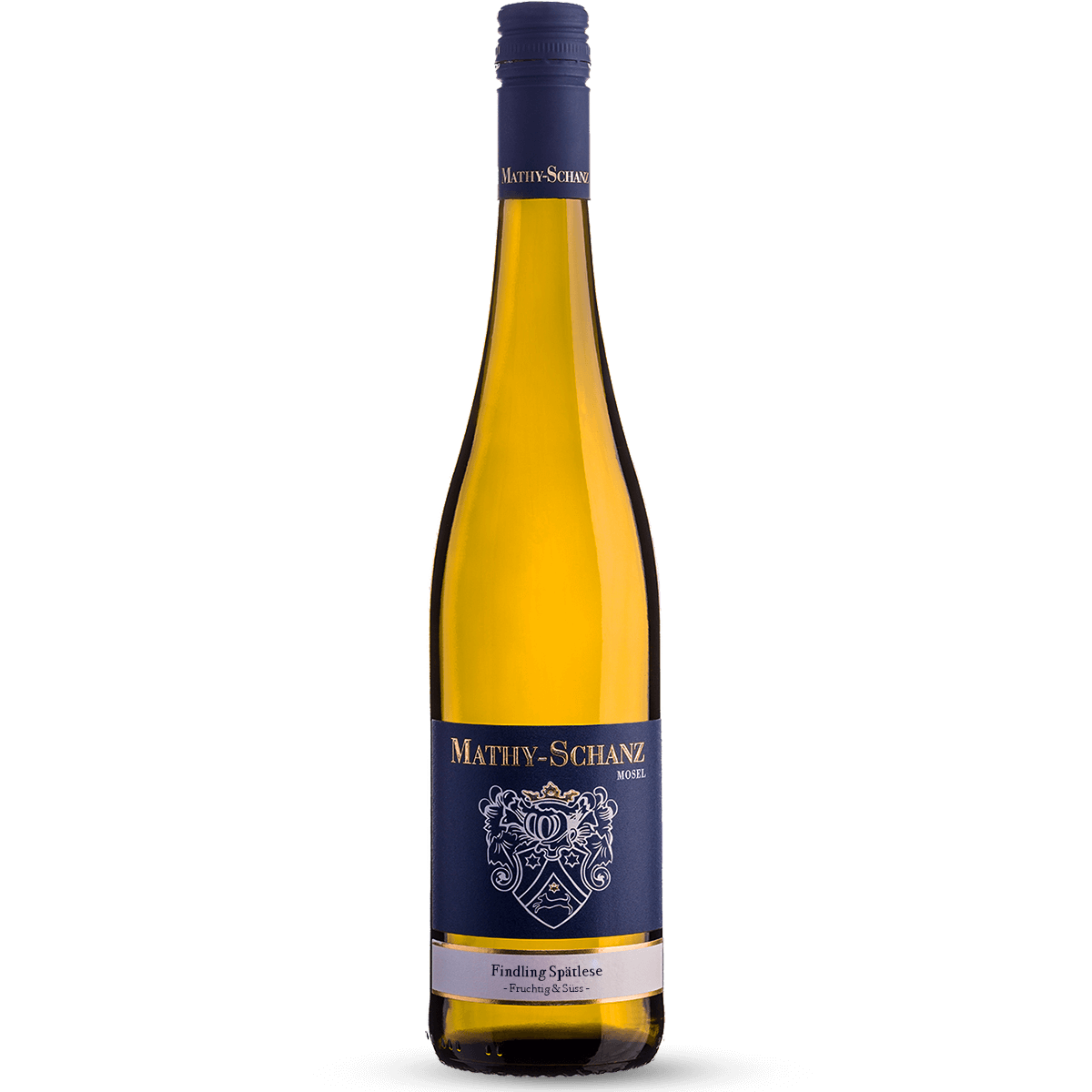
2025 Findling Spätlese Fruity & sweet

0.75 Liter (€10.67 / Liter)

€8.00

Average rating of 4.8 out of 5 stars

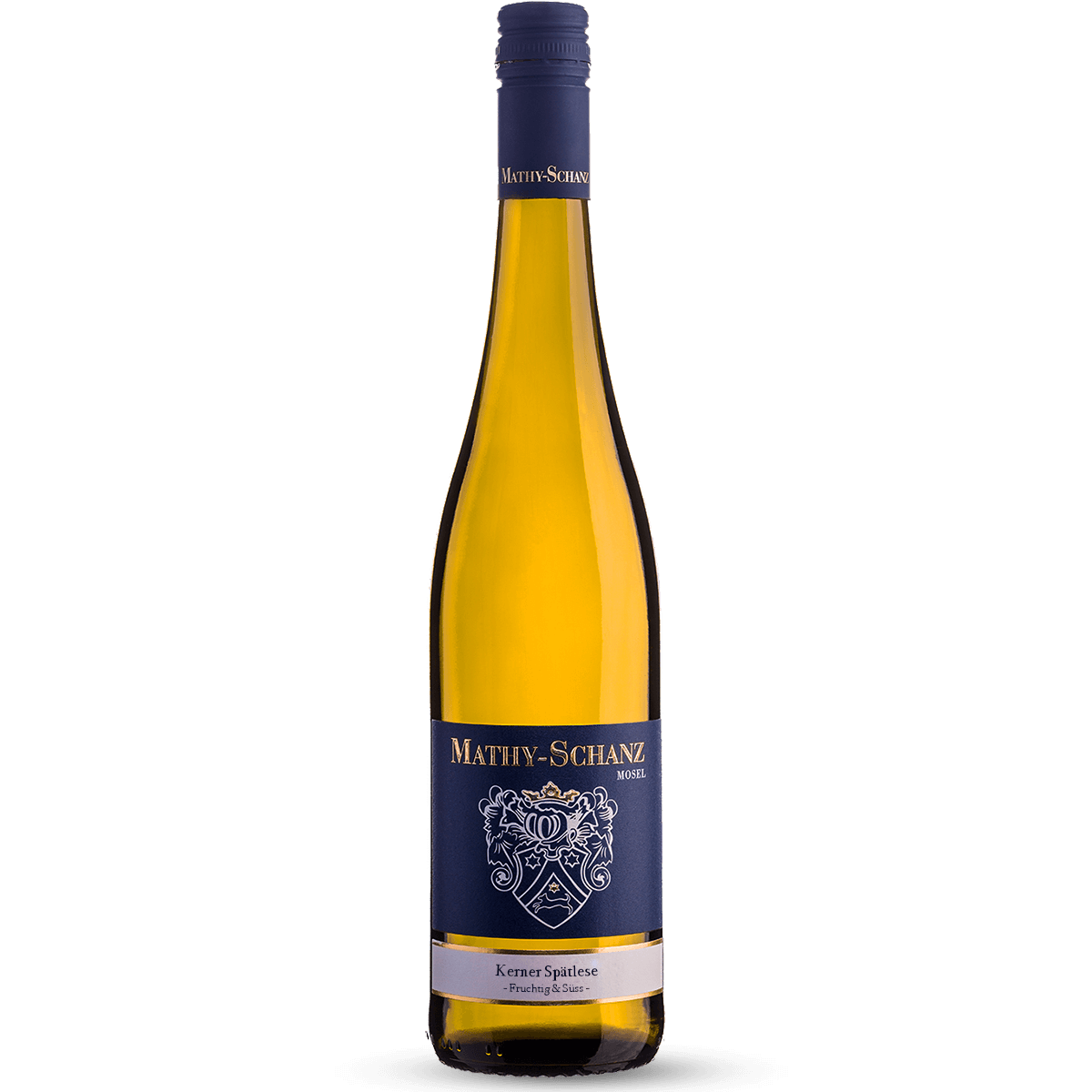
2025 Kerner Spätlese Fruity & Sweet

0.75 Liter (€10.67 / Liter)

€8.00

Average rating of 5 out of 5 stars

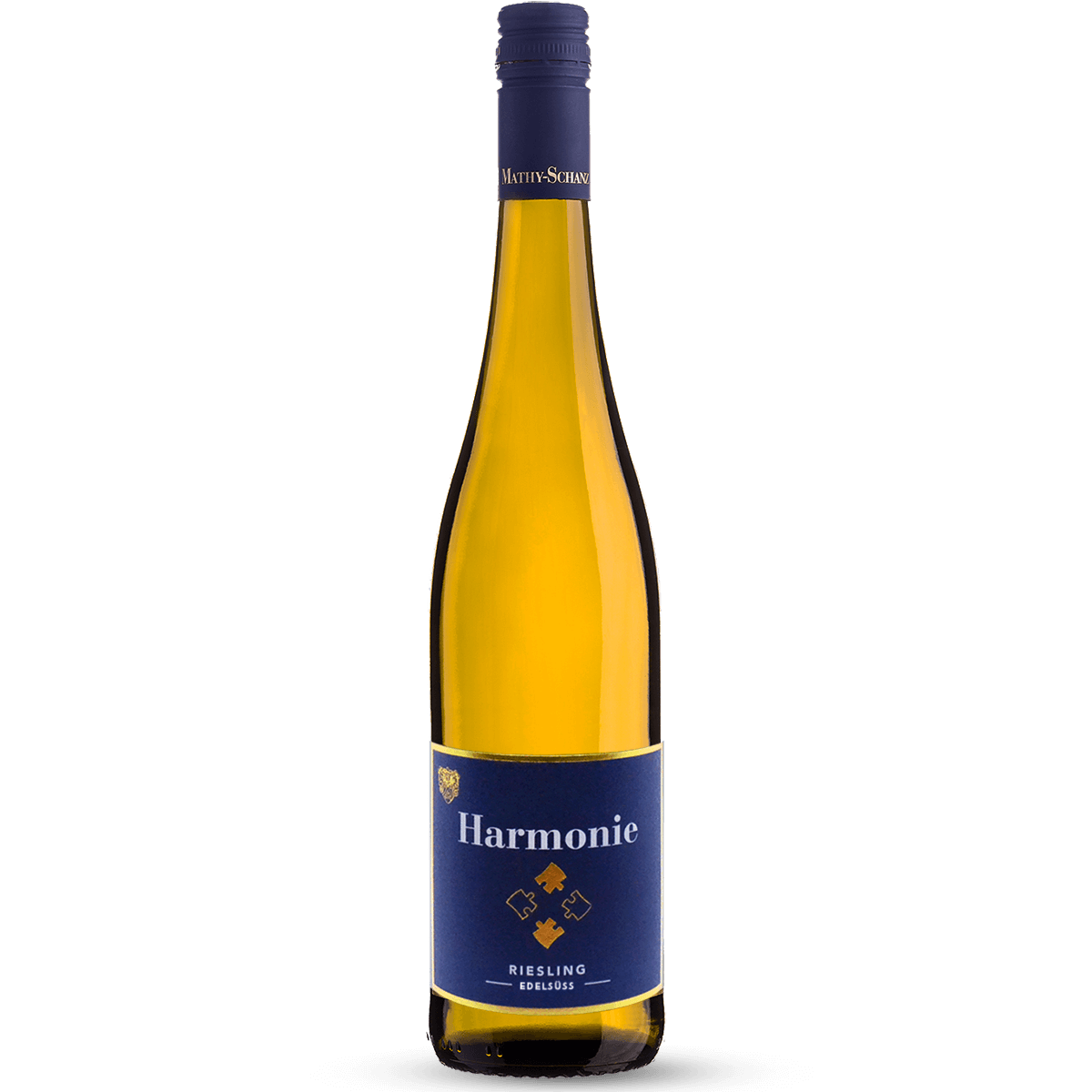
2025 Riesling Auslese Sweet - HARMONIE

0.75 Liter (€11.87 / Liter)

€8.90

Average rating of 4.9 out of 5 stars

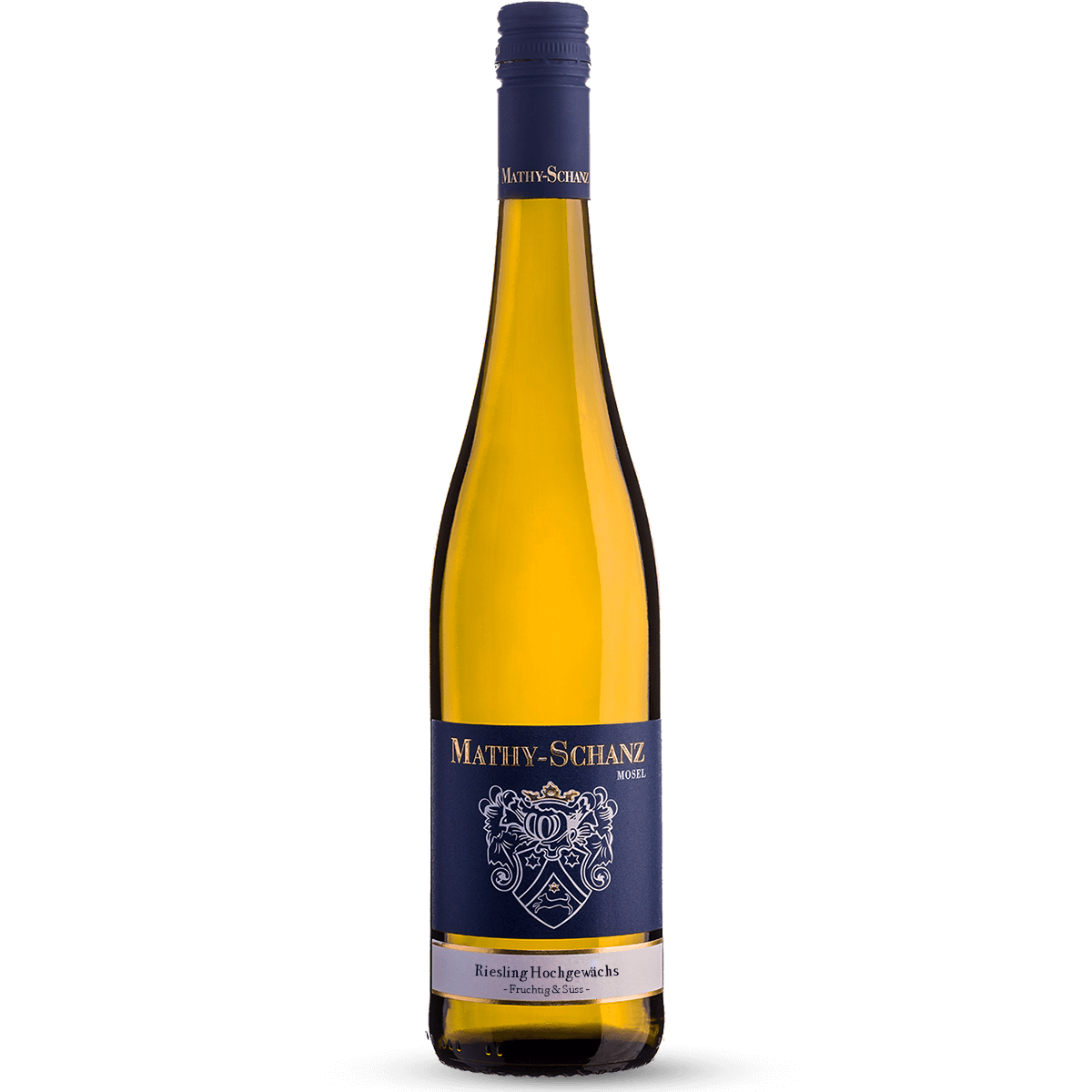
2025 Riesling Hochgewächs Fruity & Sweet

0.75 Liter (€10.40 / Liter)

€7.80
2025 Riesling Spätlese Fruity & Sweet

0.75 Liter (€10.67 / Liter)

€8.00

Average rating of 5 out of 5 stars

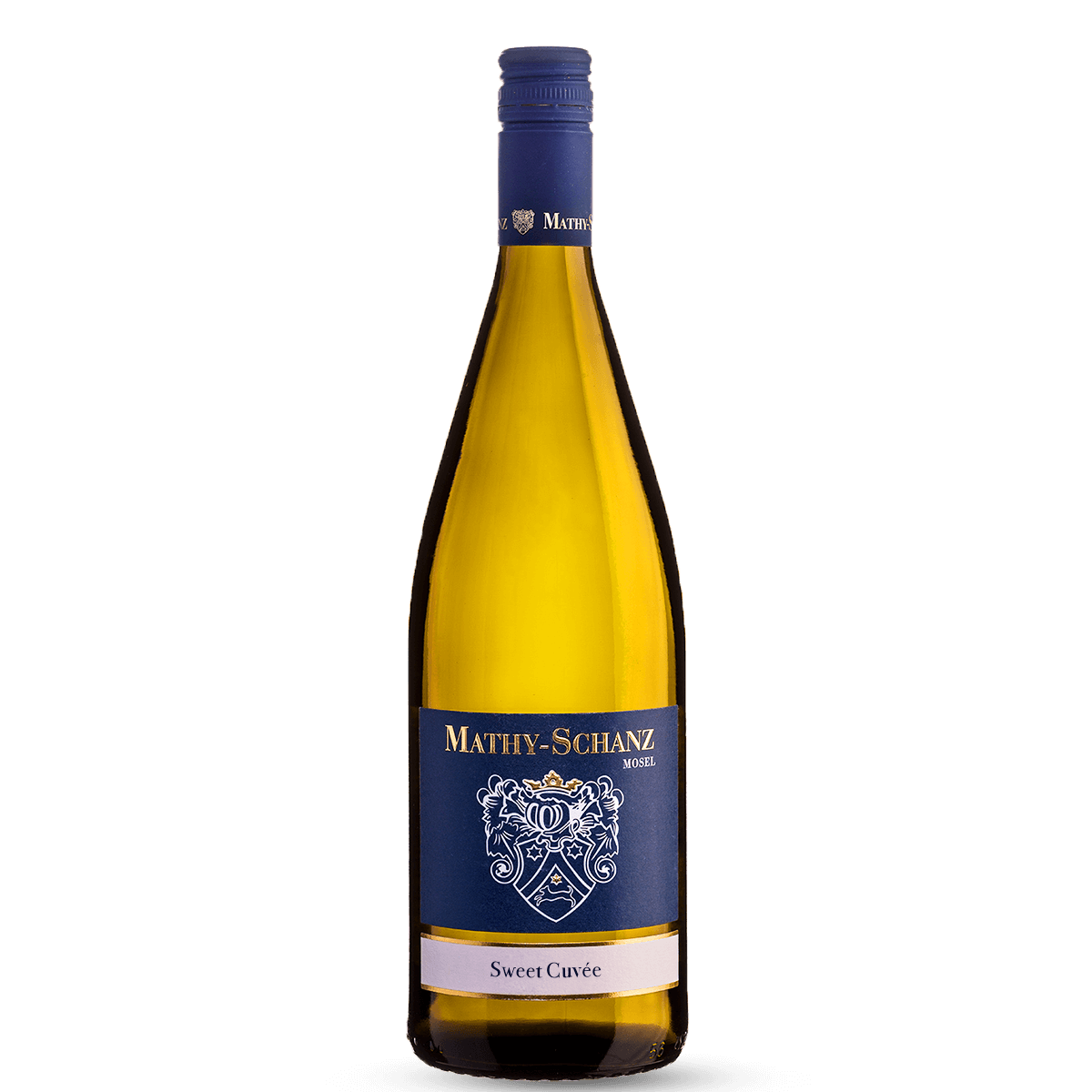
2025 Sweet Cuvée

1 Liter

€7.00

Average rating of 5 out of 5 stars

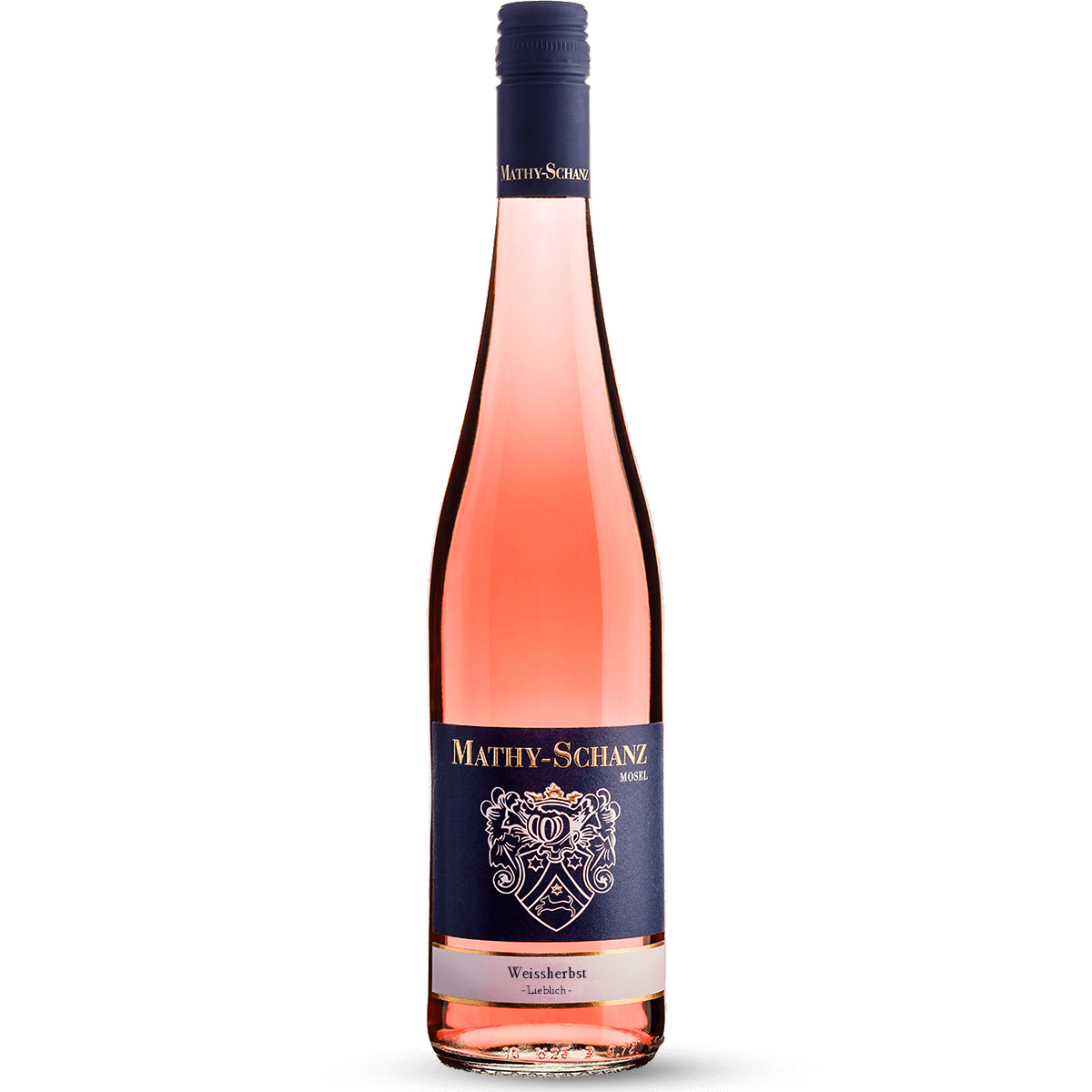
2025 Weißherbst Semi-sweet

0.75 Liter (€10.00 / Liter)

€7.50
Recommendation Icon

Average rating of 5 out of 5 stars

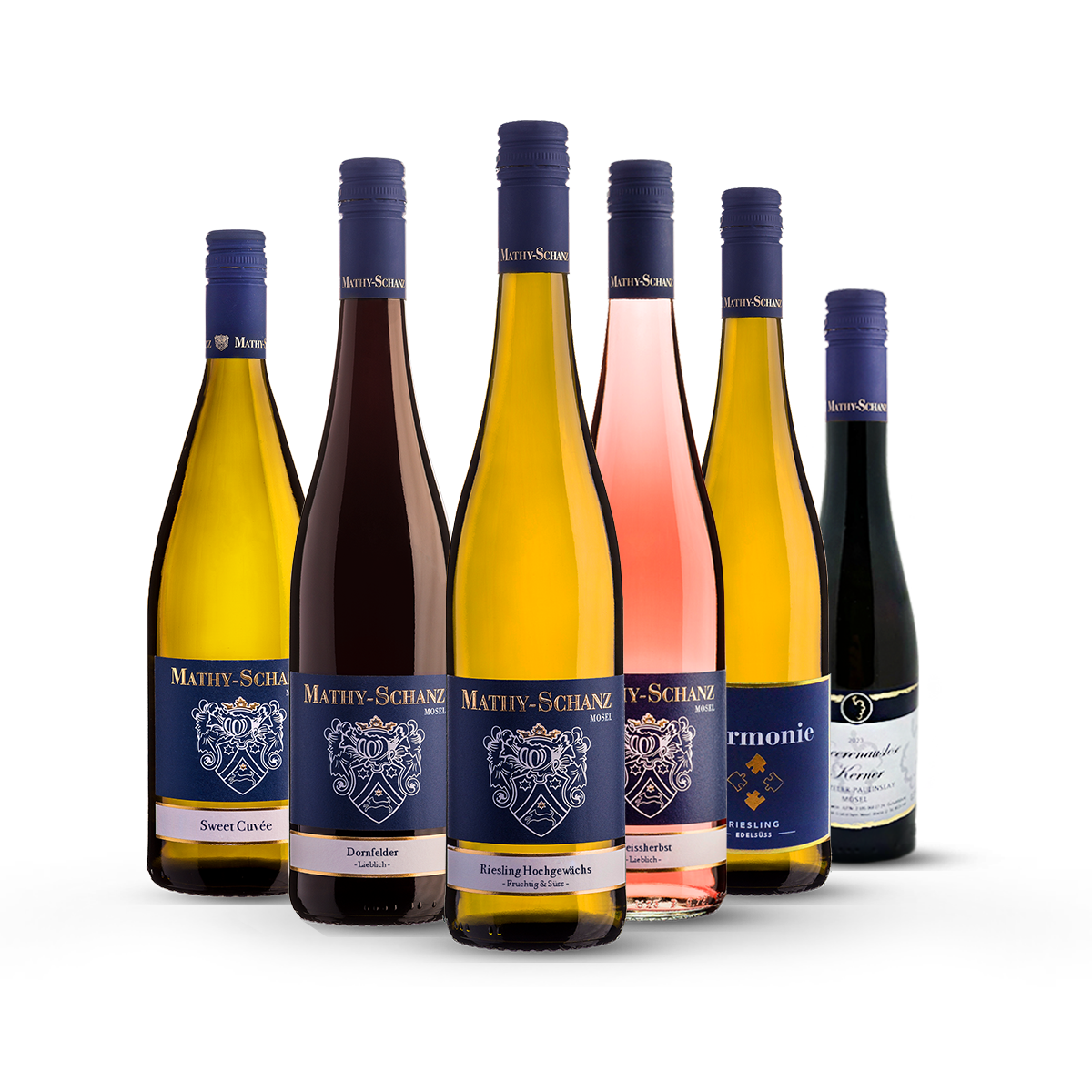
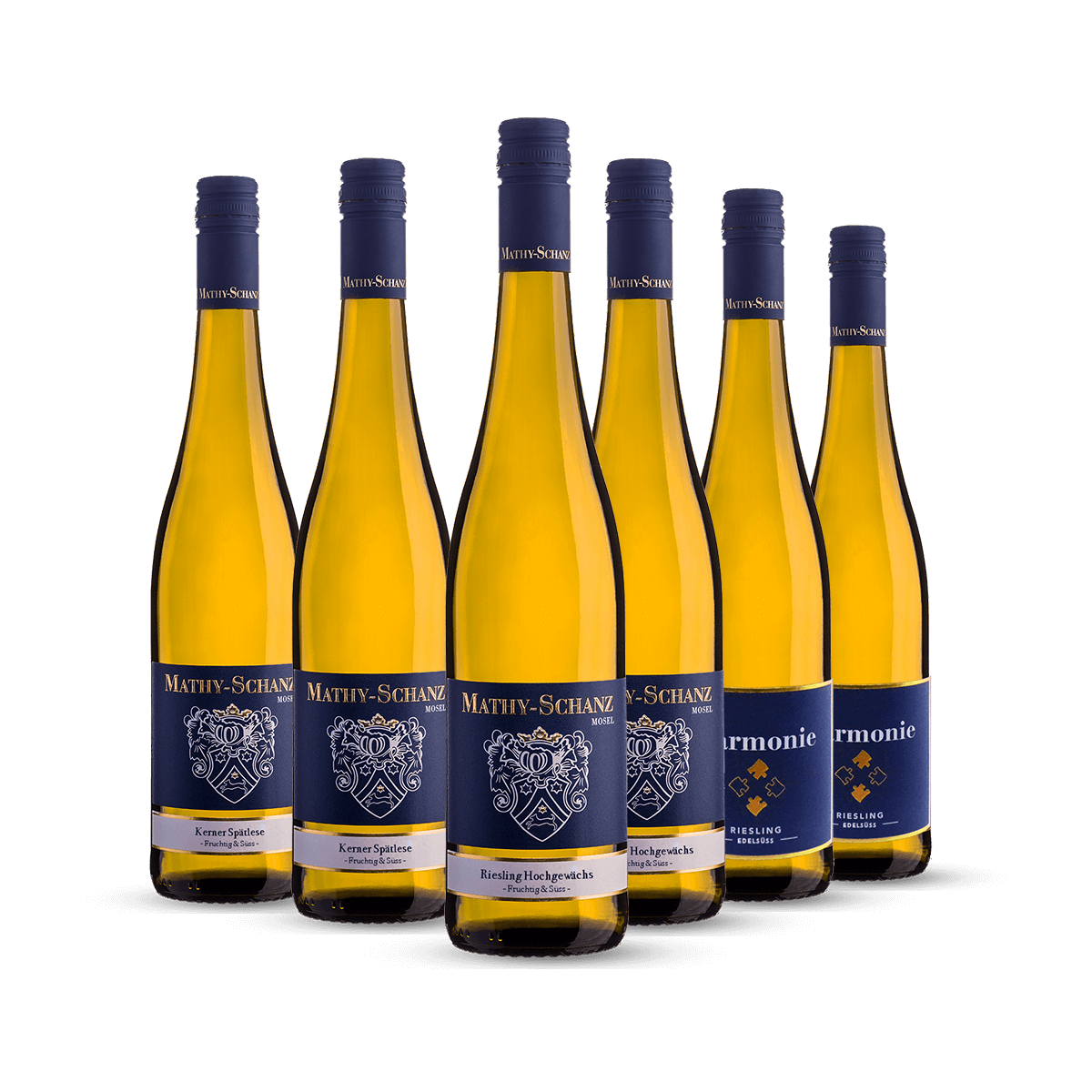
Fruity & sweet (6 btls) wine package

4.375 Liter (€12.09 / Liter)

€52.90
Recommendation Icon

Average rating of 5 out of 5 stars

Sweet white wines (6 btls) wine package

4.5 Liter (€10.98 / Liter)

€49.40
Weinberg-Steilhang

Semi-sweet wines from the Mosel
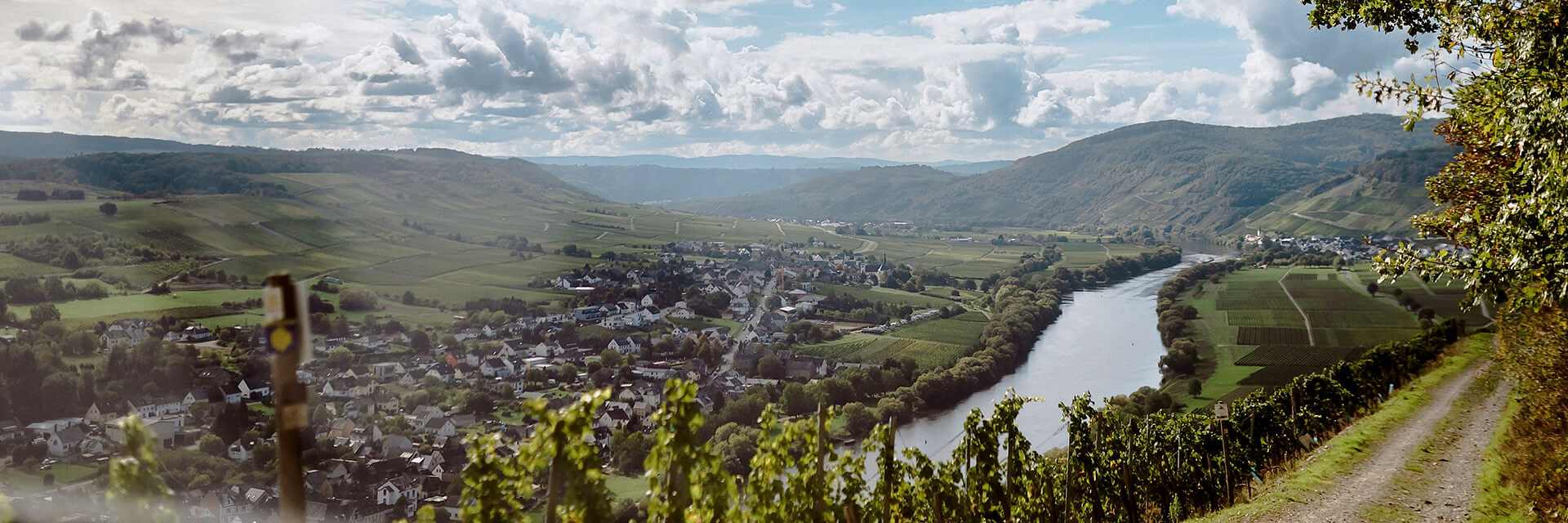
The Mosel and semi-sweet wine absolutely belong together. In no other wine-growing region in Germany is the proportion of semi-sweet wines as high as at the Mosel. According to wine statistics for 2016/2017, more than half of all Mosel wines are semi-sweet. This corresponds to 369,000 hl of the quality wine test for a total of 686,000 hl. The semi-sweet Mosel wine has been known around the world for a long time and you keep discovering old price lists or menus where mainly semi-sweet Spätlese and Auslese from the Mosel can be found.

Definition of semi-sweet wine

The term "semi-sweet" is regulated by law and clearly defined. Wines are classified as semi-sweet when they exceed the semidry wine threshold. This means that a wine with a residual sugar content of more than 18 g/l is to be declared as semi-sweet. The upper limit is 45 g/l. This means that the semi-sweet Mosel wines are always in this residual sugar range.
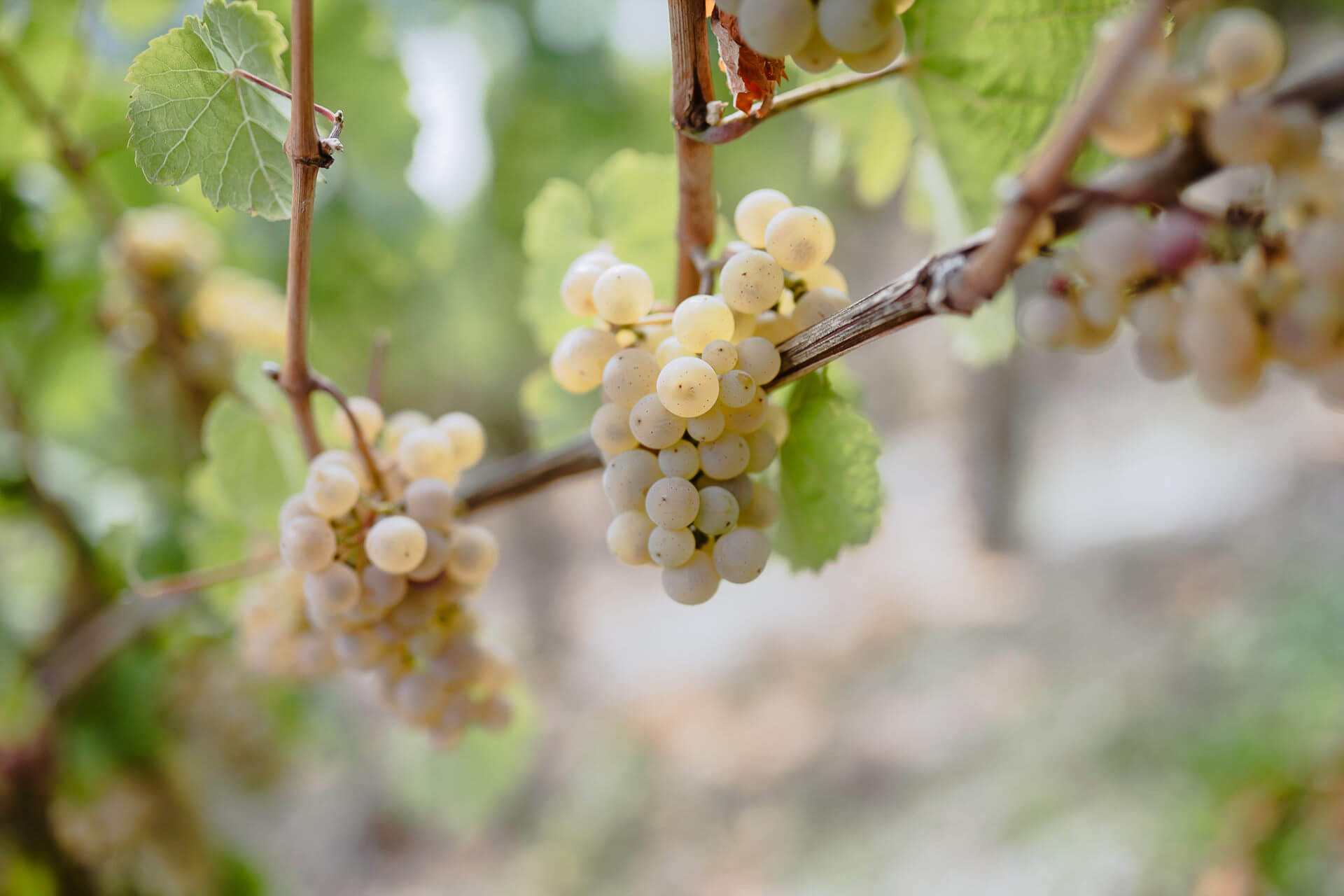

Riesling-Traube
Weinberg-Steilhang

Semi-sweet wine in our winery

In our winery, the sale of semi-sweet Mosel wine is around 20% of the range. Although, as mentioned above, the total sales at the Mosel is over 50%, there are many people among our customers who prefer a drier taste. Still, Semi-sweet Riesling or Kerner are popular and an absolute must in our portfolio.

Semi-Sweet FAQs

What does “semi-sweet” mean in wine?
Semi-sweet wines are defined by law as wines containing more than 18 grams of residual sugar per liter. This level of sugar is clearly noticeable on the palate and significantly influences the wine’s overall character.
How does semi-sweet wine differ from semi-dry and off-dry wine?
Semi-dry wines contain up to 18 g/l of residual sugar and are legally defined, while off-dry is a stylistic term. Semi-sweet wines exceed this threshold and display a more pronounced sweetness that plays a central role in the flavor profile.
How is semi-sweet wine produced?
Semi-sweet wines are typically produced by stopping fermentation before all natural sugar has been converted into alcohol. This results in a higher level of residual sugar, while the natural acidity remains and provides balance.
How does semi-sweet wine taste?
Semi-sweet wines are characterized by a noticeable fruit sweetness supported by lively acidity. This creates a harmonious balance between sweetness and freshness.
Which grape varieties are commonly used for semi-sweet wines?
Riesling is particularly well suited for semi-sweet wines due to its naturally high acidity, which balances the sweetness. Other varieties such as Müller-Thurgau and aromatic white grapes are also commonly used.
What role does the Mosel play in semi-sweet wines?
The Mosel is one of the most important regions worldwide for semi-sweet wines. Its cool climate allows grapes to ripen slowly while retaining high acidity, resulting in elegant and well-balanced wines, especially Riesling.
What food pairs well with semi-sweet wine?
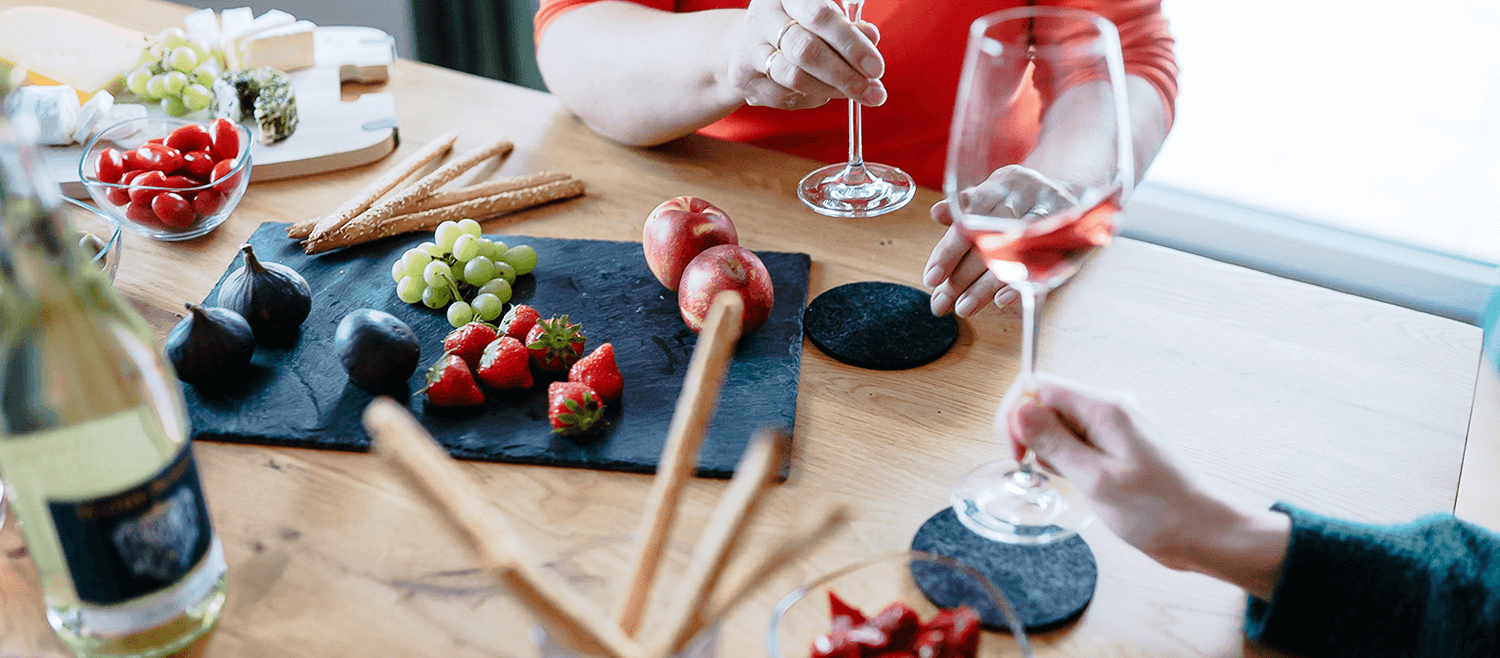
Semi-sweet wines pair particularly well with desserts, fruit-based dishes, and spicy foods. Their sweetness can balance heat and intensity, making them an excellent match for Asian cuisine or richly seasoned meals.
How does origin influence semi-sweet wines?
Origin has a significant impact on the structure and style of semi-sweet wines. In the Mosel region, slate soils, steep vineyard slopes, and a cool climate create vibrant acidity that balances sweetness and adds freshness and minerality.

Telephone advice or ordering

Phone Icon

Mon - Sat 8:00 a.m. - 5:30 p.m
Phone +49 (0) 653 571 40

Mosel wine directly from the winemaker

Vegan Icon

Grown, harvested and bottled by us at the Middle Moselle.

Customers who trust us say: