Skip to main content Skip to search Skip to main navigation

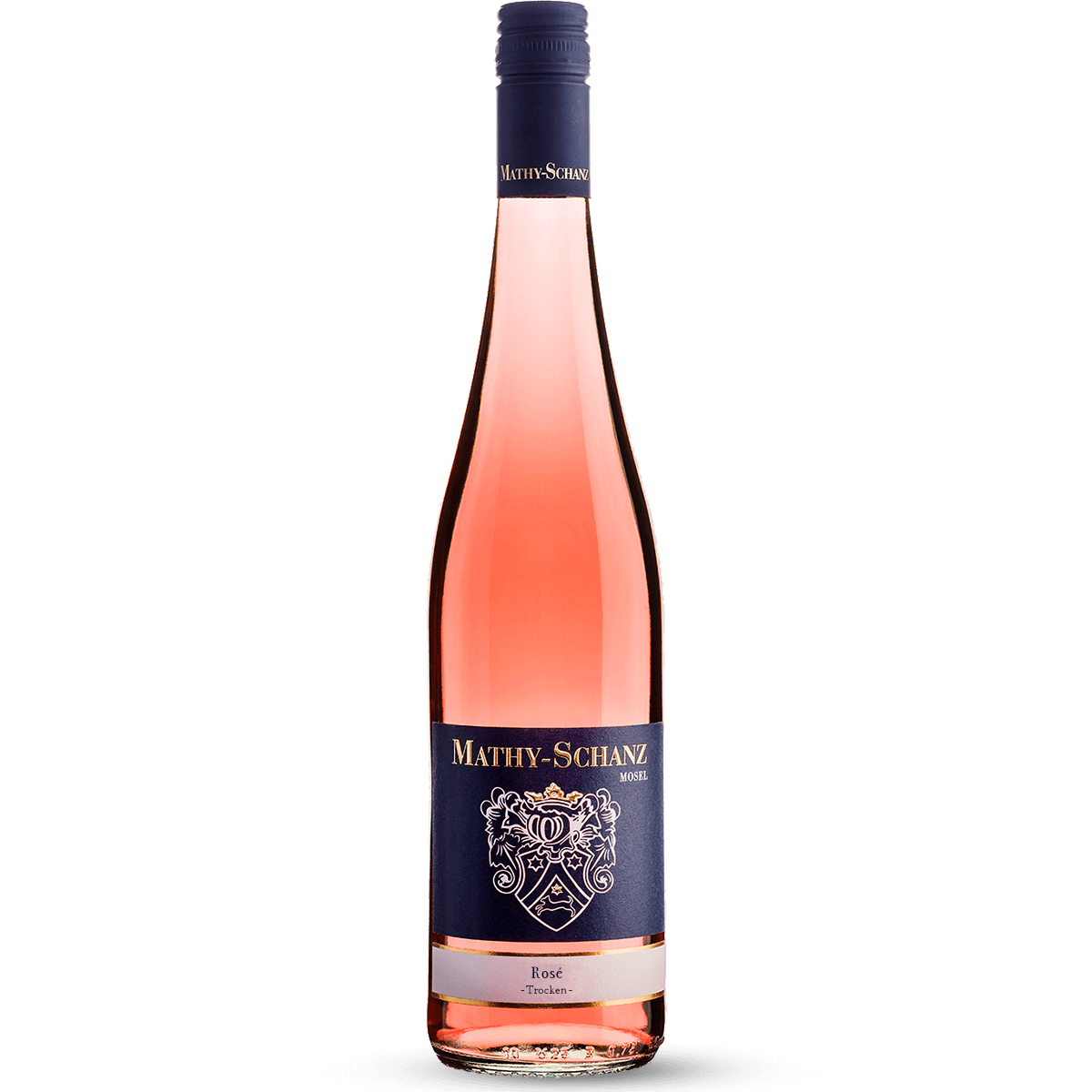
Rosé wine from the Mosel
Average rating of 5 out of 5 stars

2023 Dornfelder Rosé Dry

0.75 Liter (€9.33 / Liter)

€7.00
Recommendation Icon

Average rating of 5 out of 5 stars

2023 Dornfelder Rosé Off-dry

0.75 Liter (€9.33 / Liter)

€7.00

Average rating of 5 out of 5 stars

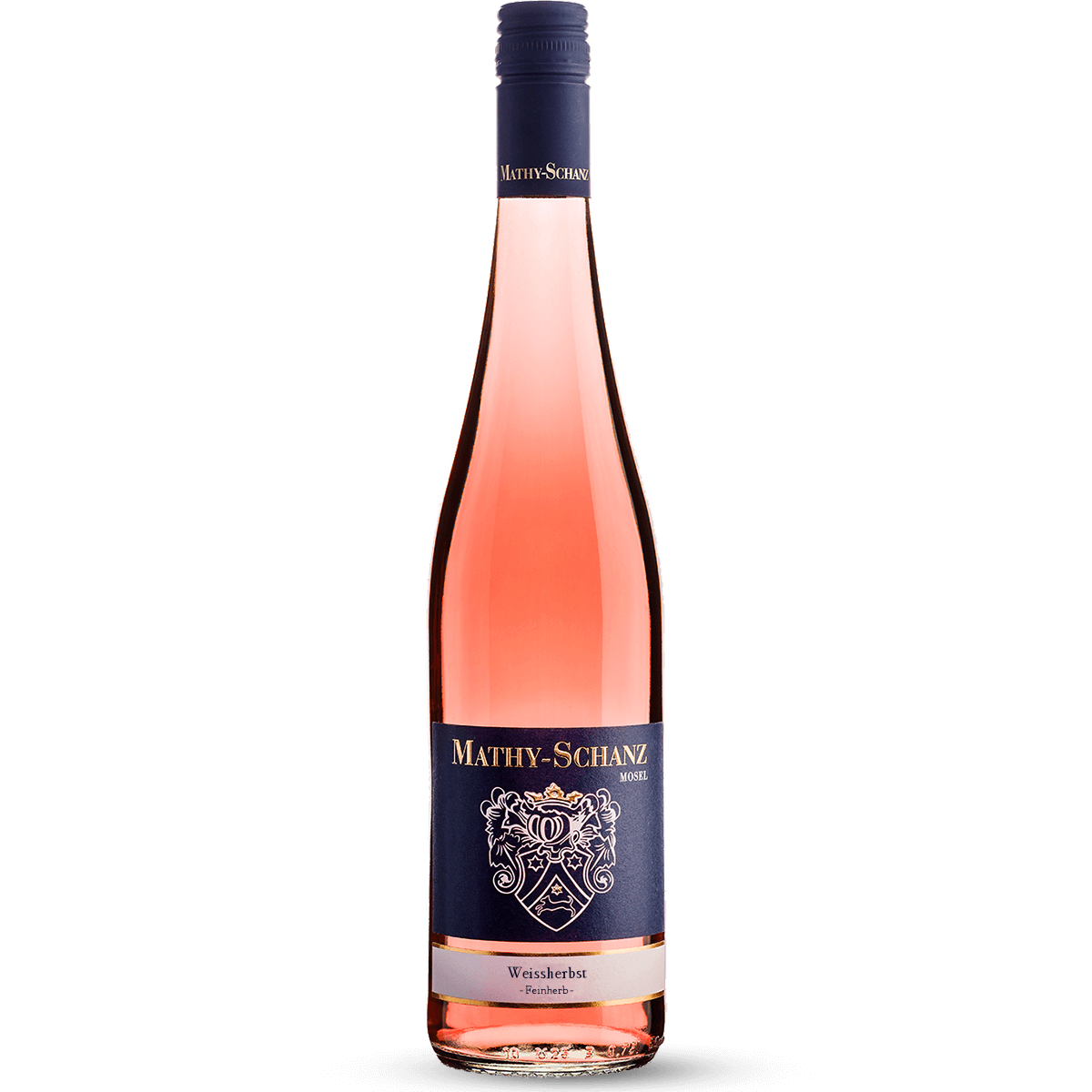
2023 Weißherbst Off-dry

0.75 Liter (€10.00 / Liter)

€7.50
Recommendation Icon

Average rating of 4.9 out of 5 stars

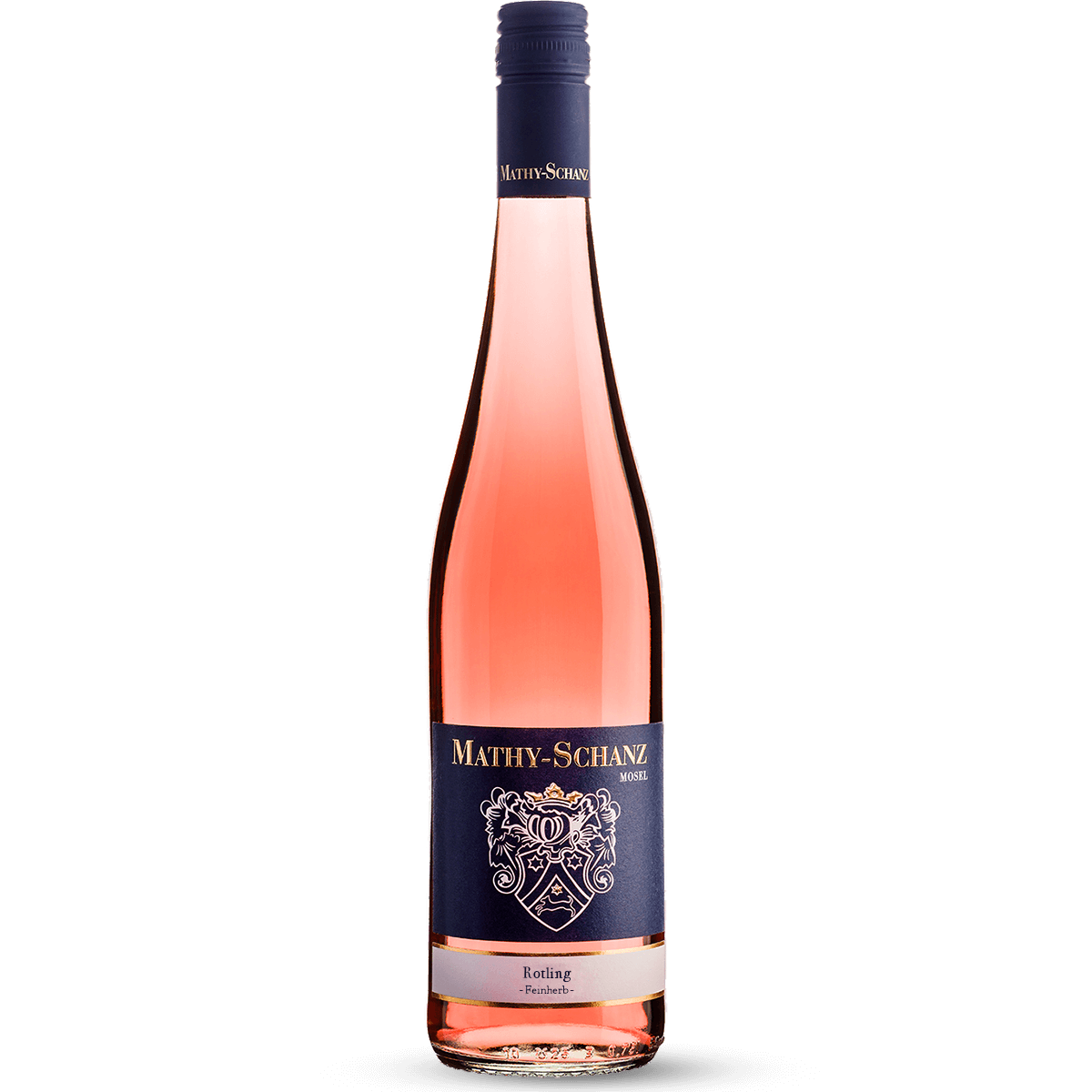
2025 Rotling Off-dry

0.75 Liter (€9.33 / Liter)

€7.00

Average rating of 5 out of 5 stars

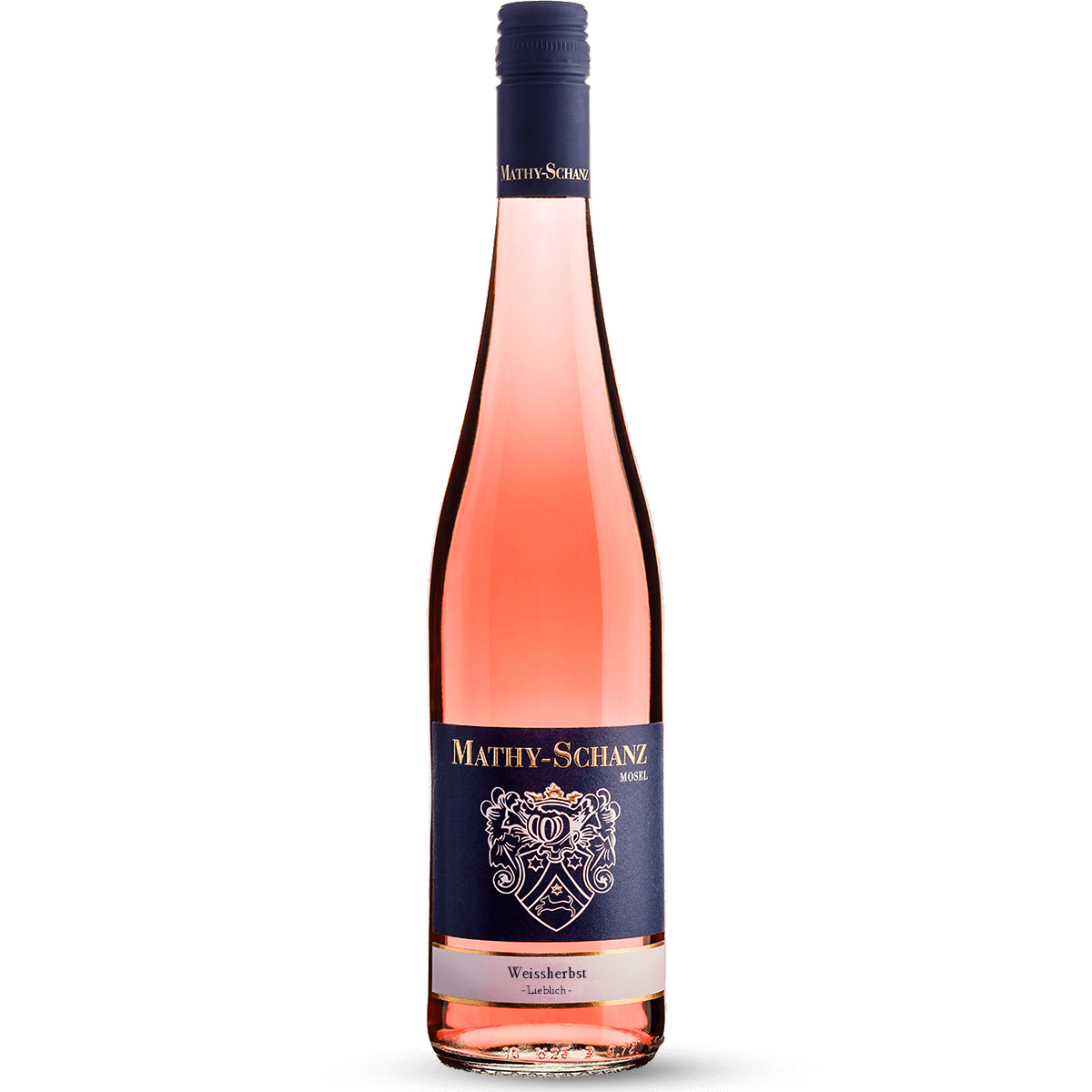
2025 Weißherbst Semi-sweet

0.75 Liter (€10.00 / Liter)

€7.50
Recommendation Icon
Rosé-Friends (6 btls) wine package

4.5 Liter (€9.56 / Liter)

€43.00
Rosé ausschenken

Rosé - light, tasty & trendy

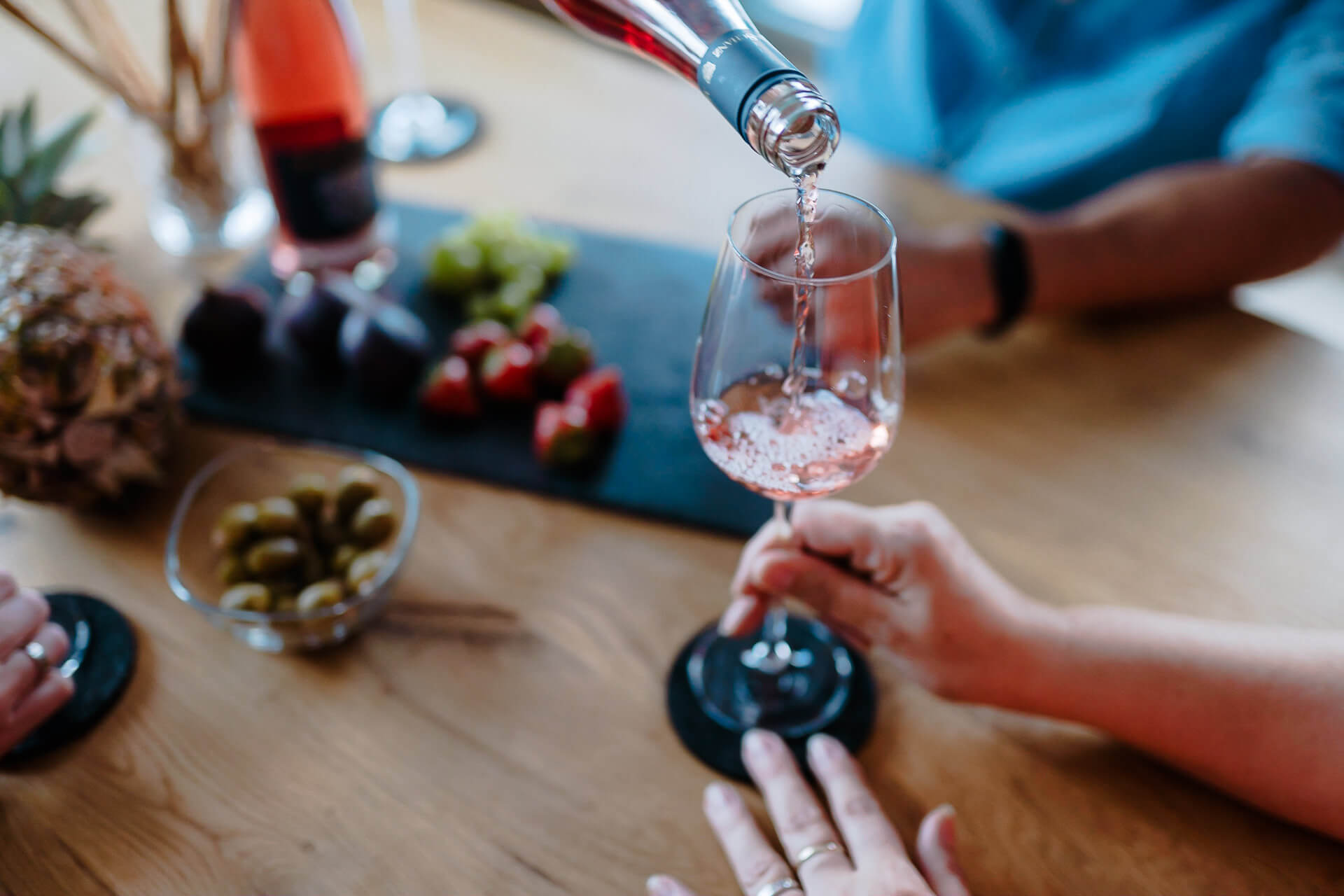
Rosé wines are particularly in demand in spring and summer, as they offer great refreshment with their fruit and lightness when they are well chilled. They have established themselves as a companion for barbecuing, with light spokes or as an apéritif. Rosé is currently very much in vogue and is in high demand worldwide, which is partly due to prominent brand ambassadors from the film and music industries who cooperate with wineries and bring their own rosé line onto the market.

How is a rosé wine defined?

The most important criterion here is that only red grapes may be used for a rosé. These are vinified like white wines and are therefore only briefly on the mash before it is pressed. The colour comes from the skin of the grapes, and the colour intensity is determined by the length of the mashing time. To put it simply: When the harvested grapes lie in vats together for a long time and are already lightly pressed, more and more colour comes off the skin of the berries, which then goes into the juice.
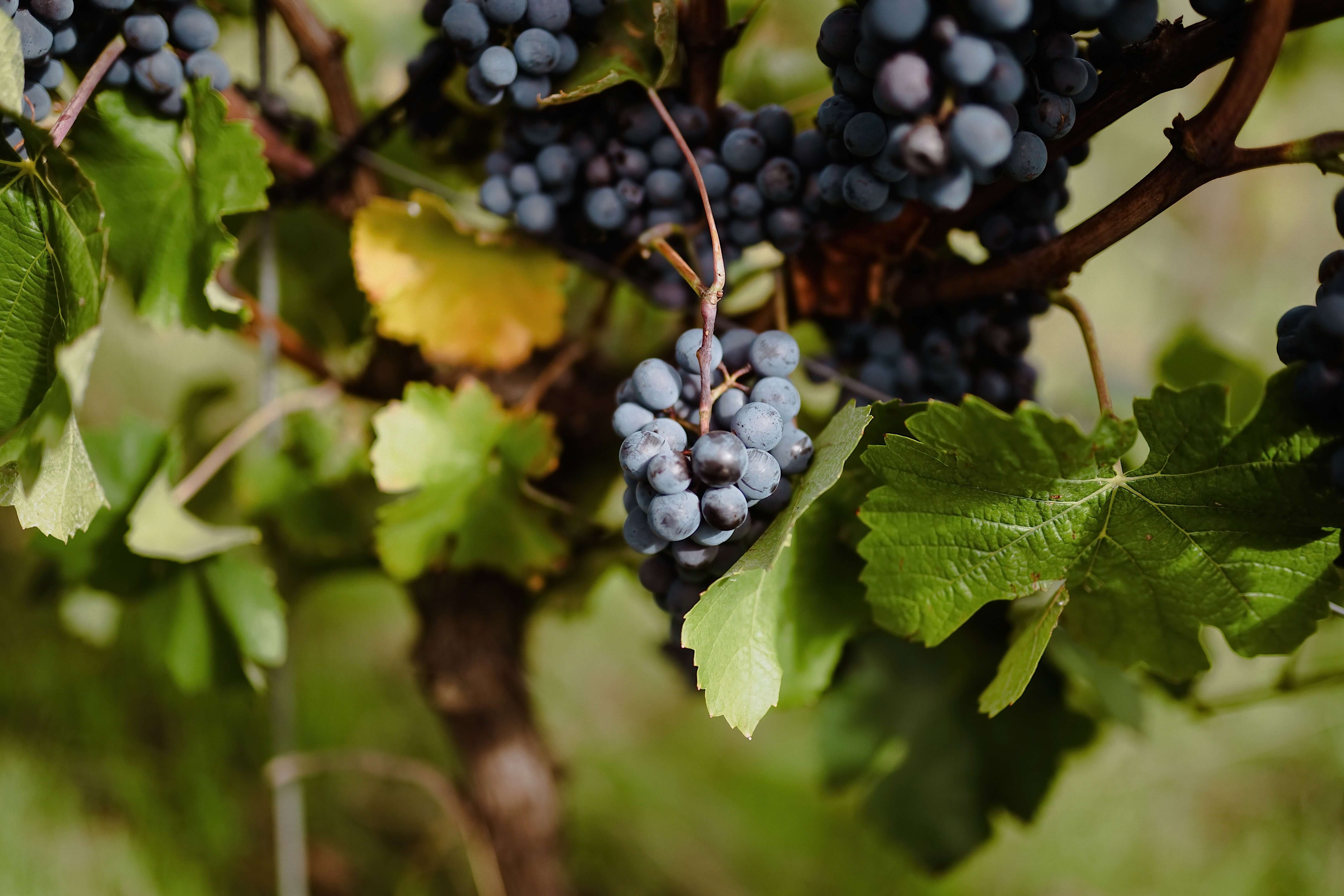
Rotweintrauben im Weinberg
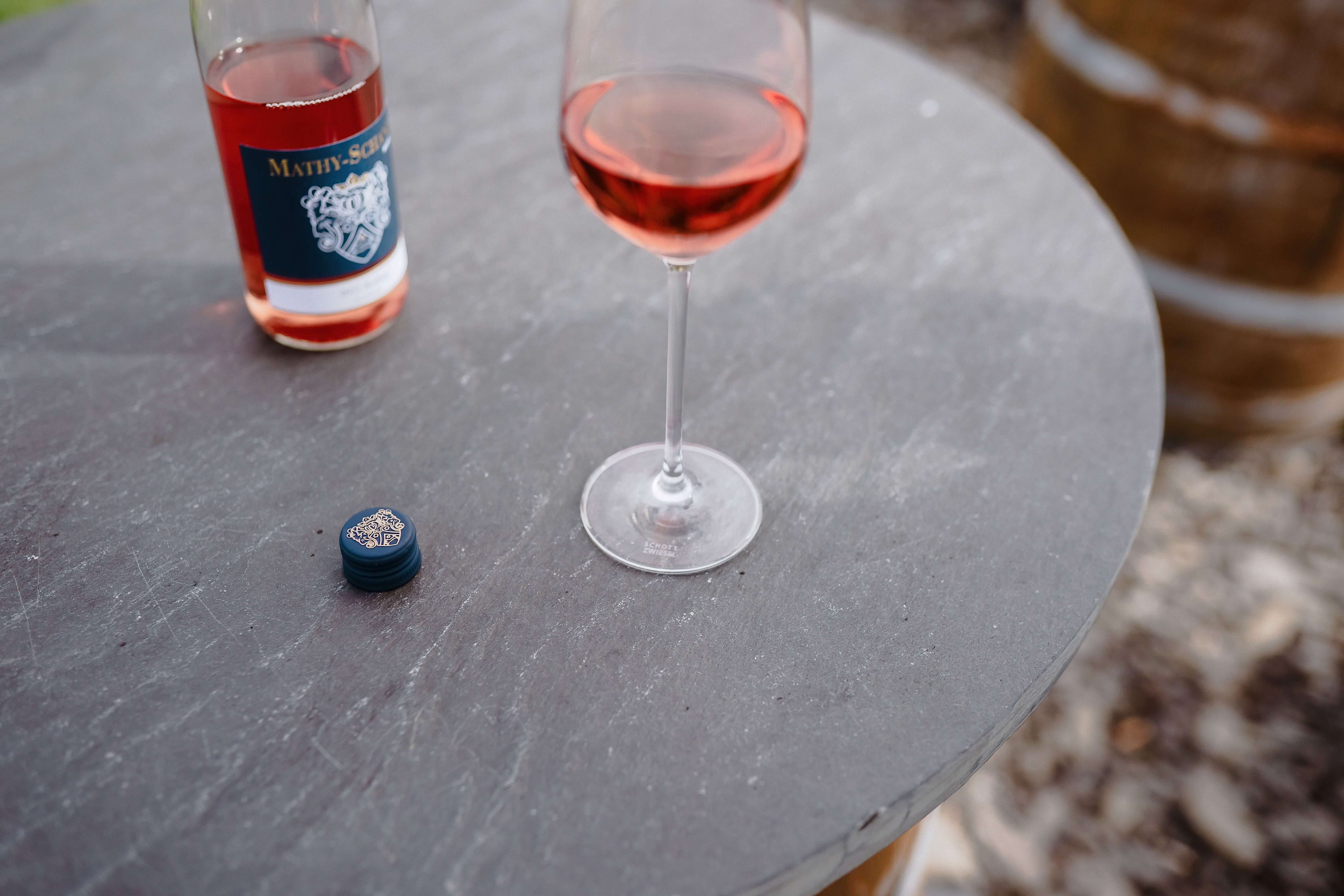
Roséwein probieren in der Natur

Rosé, Rotling or Weißherbst?

Biggest similarities: colour, lightness & fruit. That's why all three are grouped under "rosé wine" in our wine shop. Technically, however, a distinction is made as follows: 

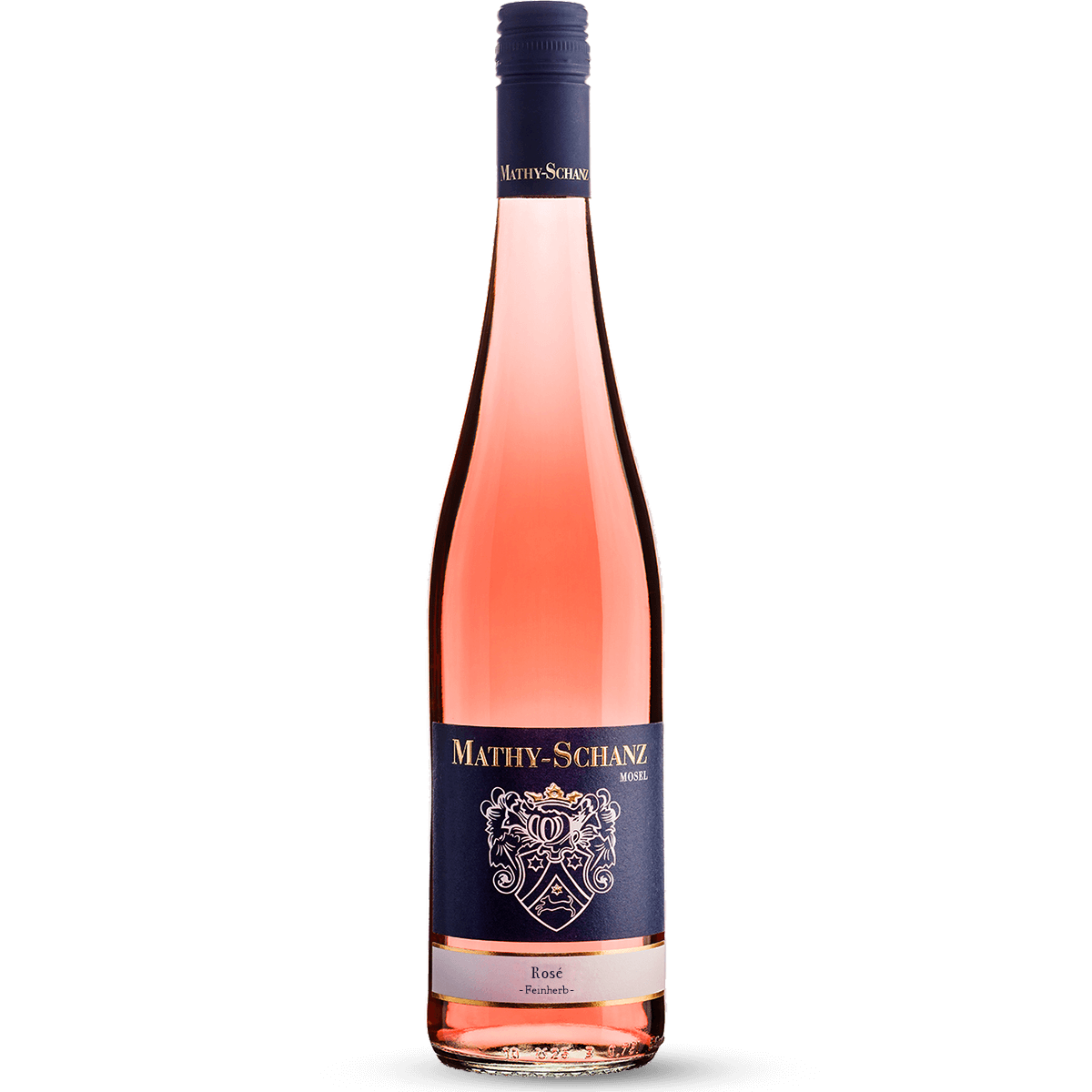
Rosé: Must be made from red grapes, but different grape varieties can be blended into a so-called cuvée.
Weißherbst: Must be made from red grapes from a single grape variety and is therefore a single variety.
Rotling: Is a blend of white and red grapes, which are pressed together.

Rosé Wine FAQs

How is rosé wine produced?
Rosé wine is made from red grapes, with the grape skins remaining in contact with the juice only briefly. This short maceration gives the wine its characteristic pink color while maintaining a lighter and fresher style than red wine.
Which grape varieties are used for rosé wine?
Rosé wine can be produced from a variety of red grape varieties, including Pinot Noir, Dornfelder, and Portugieser. The choice of grape significantly influences the wine’s aroma and structure.
How does rosé wine differ from white and red wine?
Rosé wine combines elements of both white and red wine. It offers the freshness and lightness of white wine while also carrying subtle fruit and structural characteristics from red grapes.
What styles of rosé wine exist?
Rosé wines are produced in a range of styles, from dry to off-dry and slightly sweet. They are typically characterized by fresh acidity and fruit-forward aromas.
What role does the Mosel play in rosé wine production?
The Mosel is best known for white wine, but rosé wines are also produced in the region. These wines are typically light, fresh, and marked by elegant fruit characteristics.
What is the ideal serving temperature for rosé wine?
Rosé wine is best served well chilled. The ideal temperature is usually between 8 and 10°C, allowing its freshness and aromas to fully develop.
What food pairs well with rosé wine?
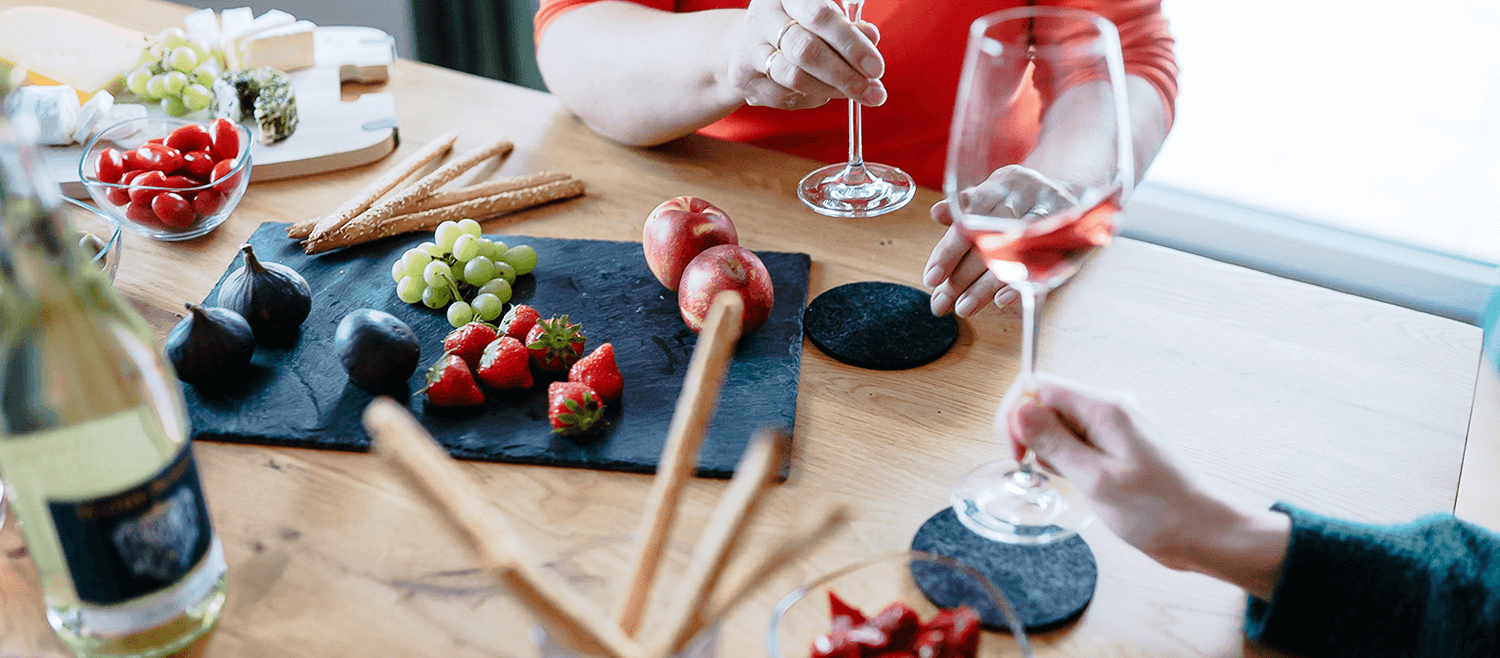
Rosé wine is highly versatile and pairs well with light dishes, salads, fish, and Mediterranean cuisine. It is also an excellent choice as a refreshing summer wine.
How does origin influence rosé wine?
Origin plays a key role in shaping the style and character of rosé wine. Climate, soil, and production methods influence its fruit profile, acidity, and overall structure.

Telephone advice or ordering

Phone Icon

Mon - Sat 8:00 a.m. - 5:30 p.m
Phone +49 (0) 653 571 40

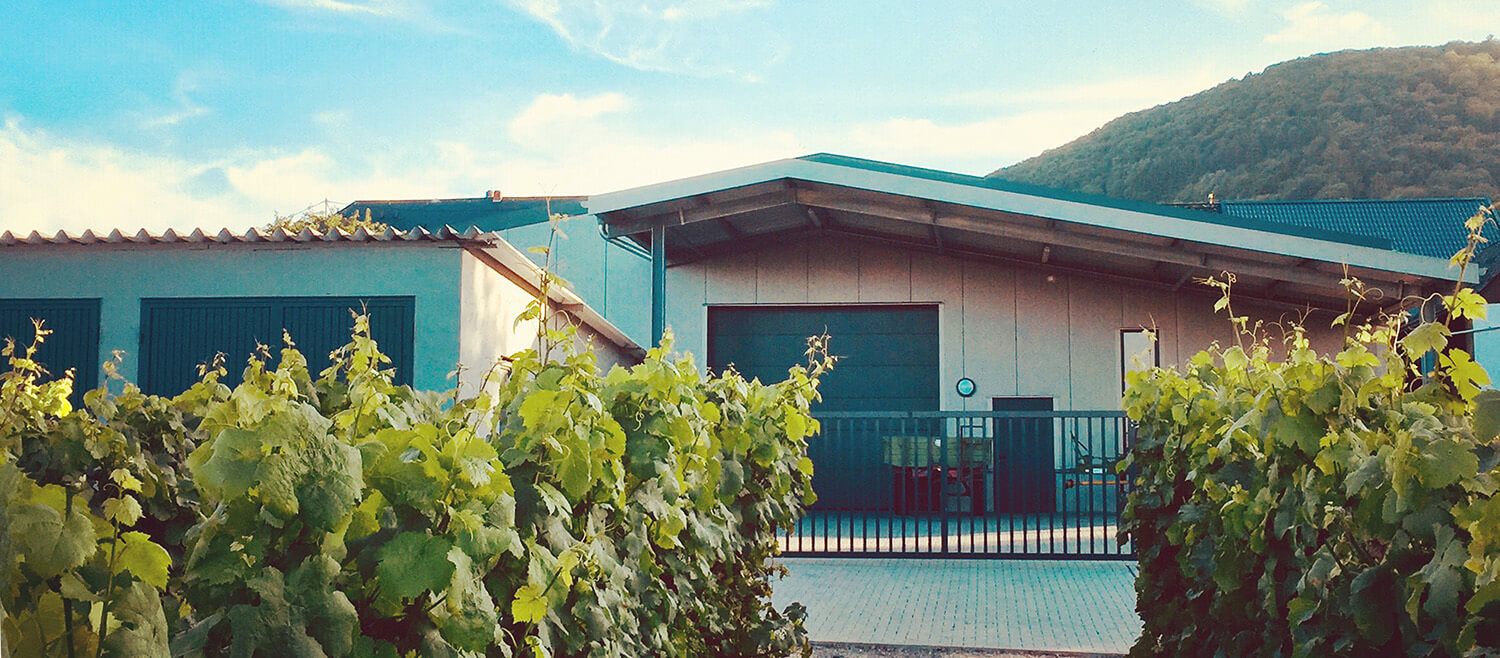
Mosel wine directly from the winemaker
Vegan Icon

Grown, harvested and bottled by us at the Middle Moselle.

Customers who trust us say: