Skip to main content Skip to search Skip to main navigation

Semidry wines from the Mosel
Average rating of 5 out of 5 stars

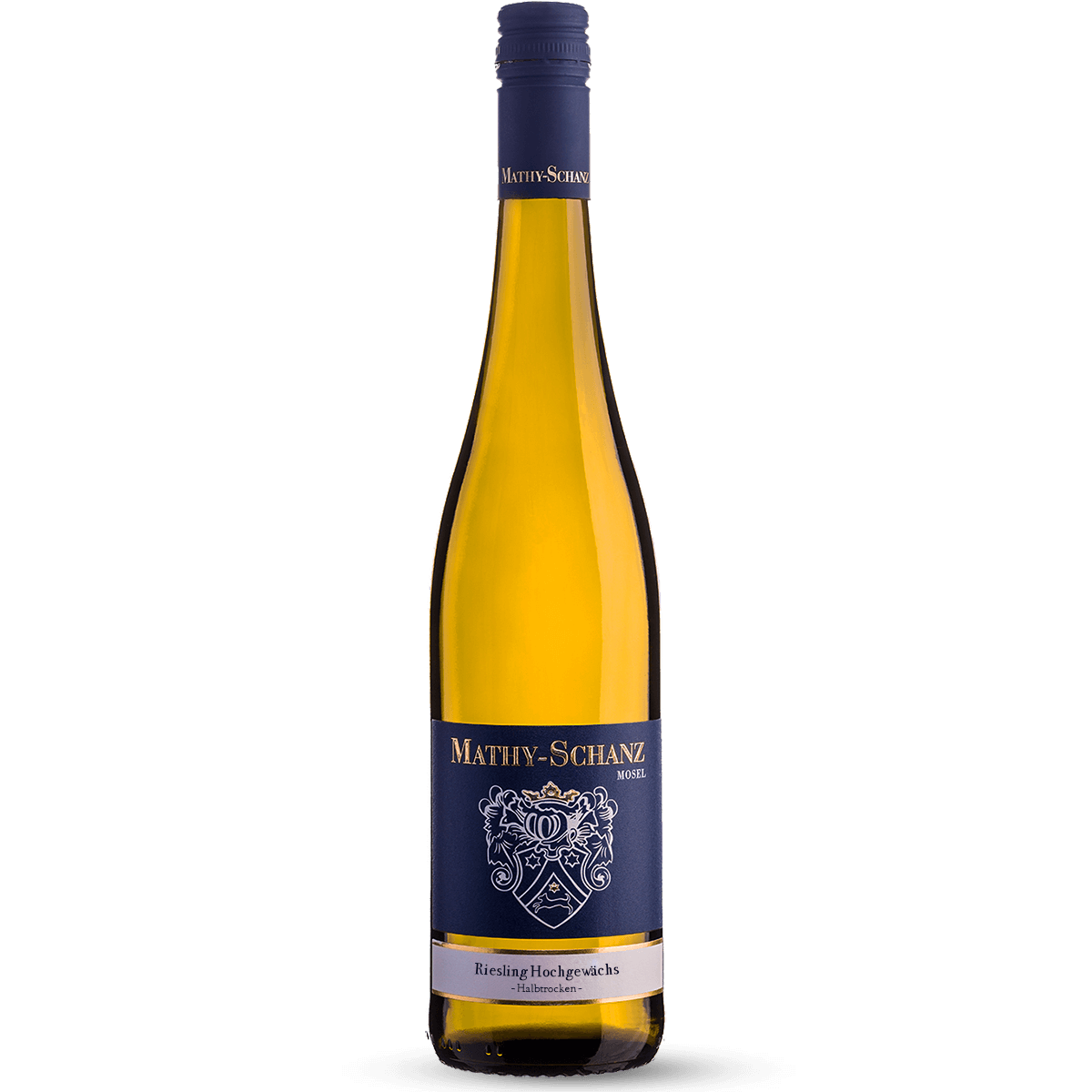
2024 Riesling Hochgewächs Semidry

0.75 Liter (€10.40 / Liter)

€7.80

Average rating of 5 out of 5 stars

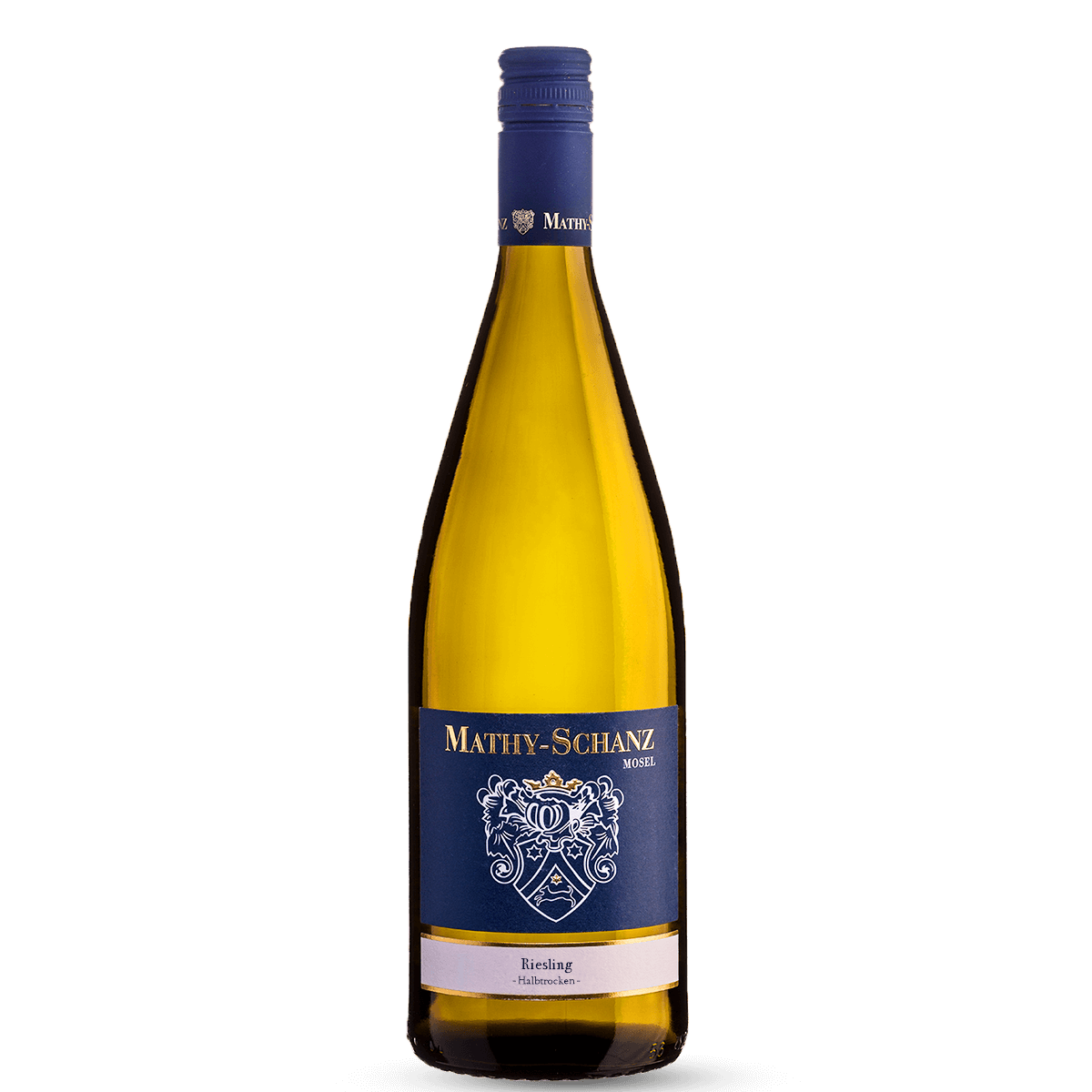
2024 Riesling quality wine Semidry

1 Liter

€7.00
Back in Stock Icon

Average rating of 5 out of 5 stars

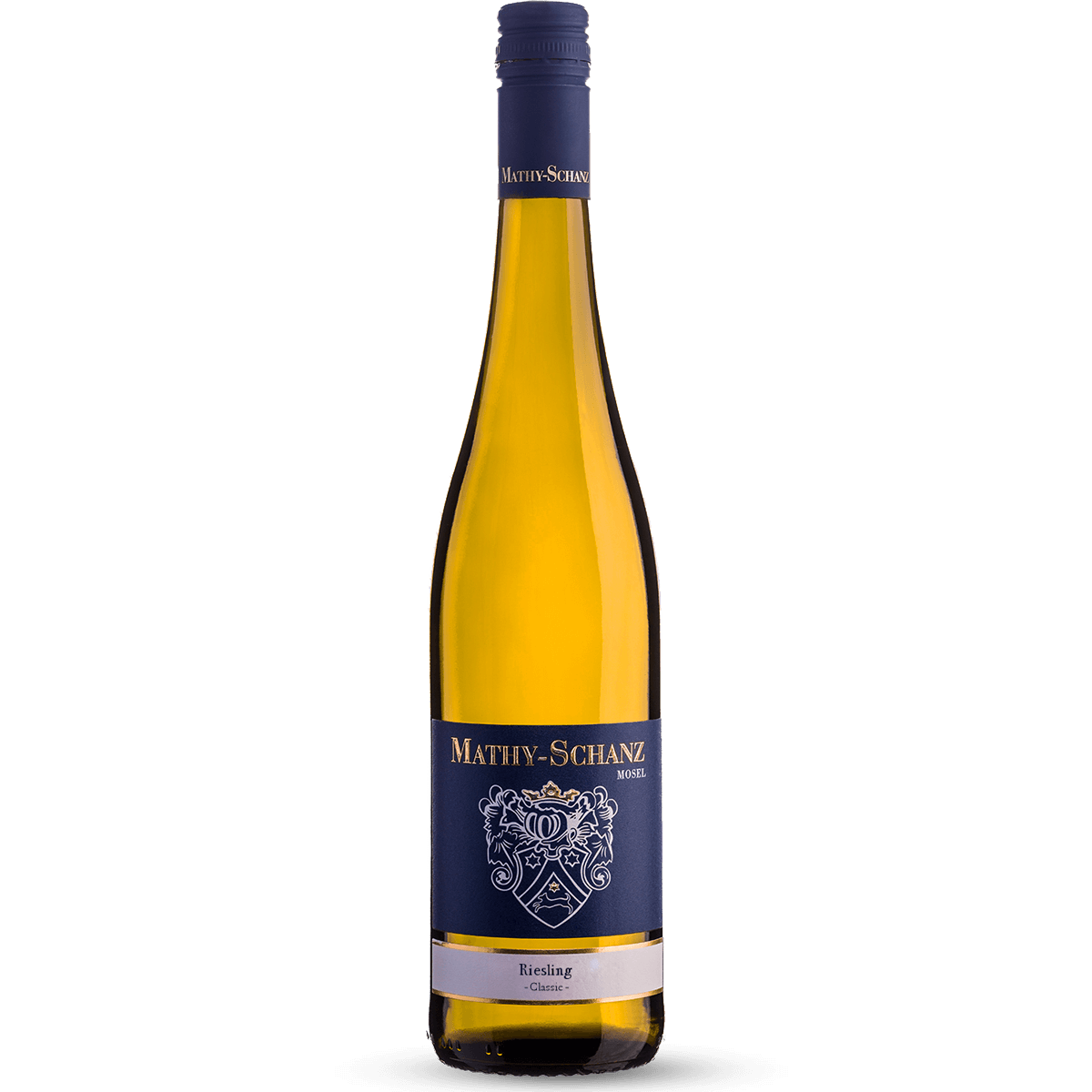
2025 Riesling Classic

0.75 Liter (€10.40 / Liter)

€7.80
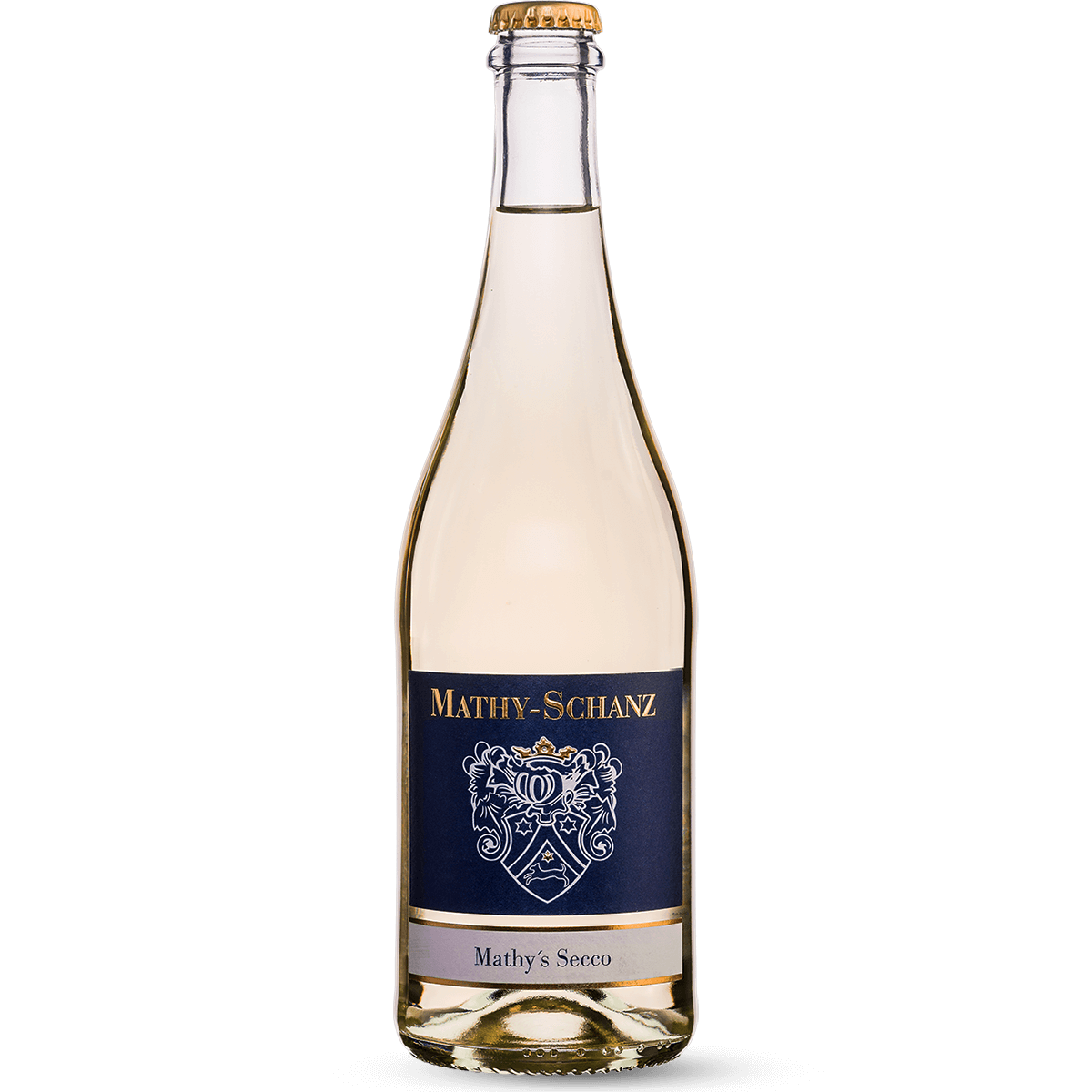
Mathy's Secco

0.75 Liter (€9.87 / Liter)

€7.40

Average rating of 4.6 out of 5 stars

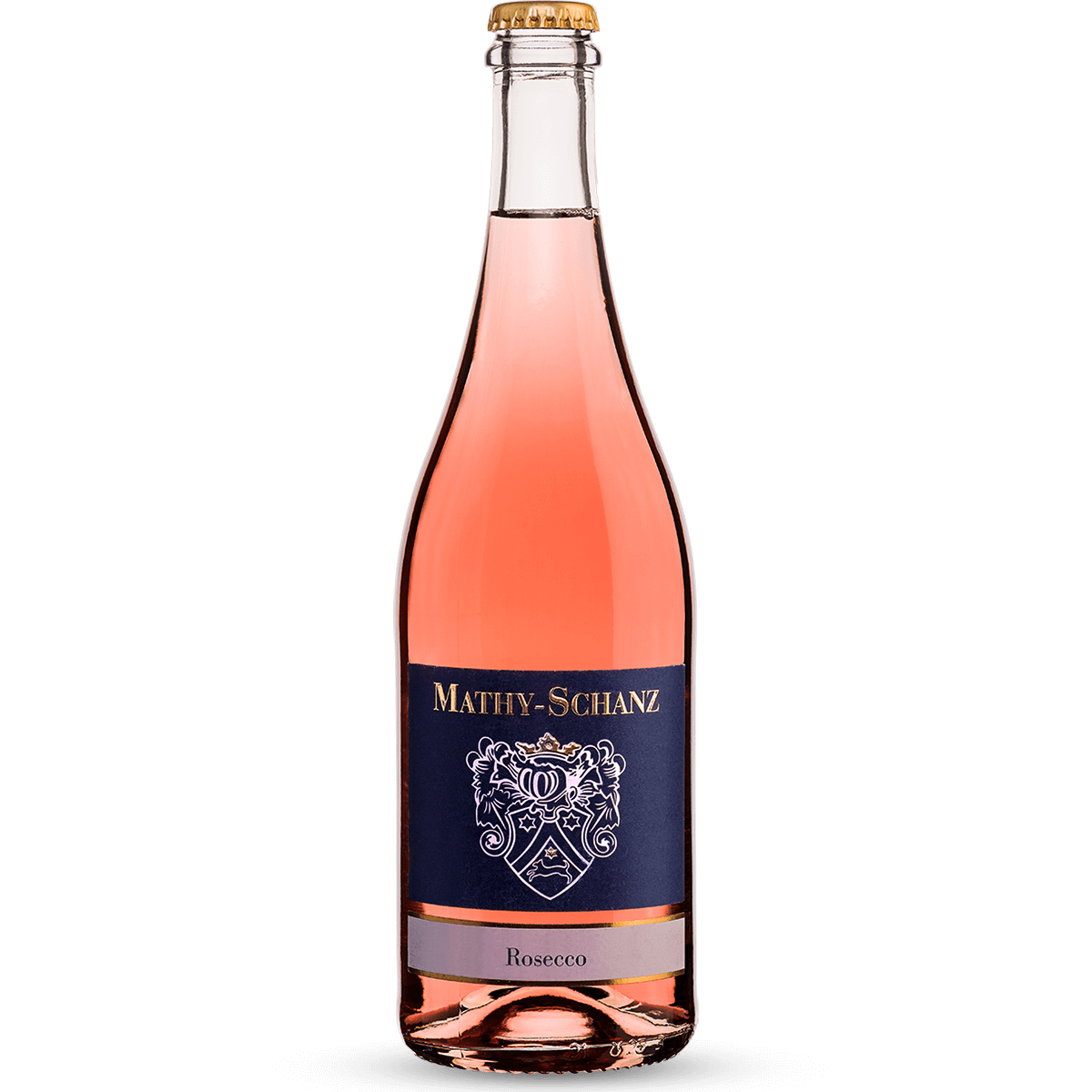
Rosecco Semidry

0.75 Liter (€9.87 / Liter)

€7.40

Average rating of 5 out of 5 stars

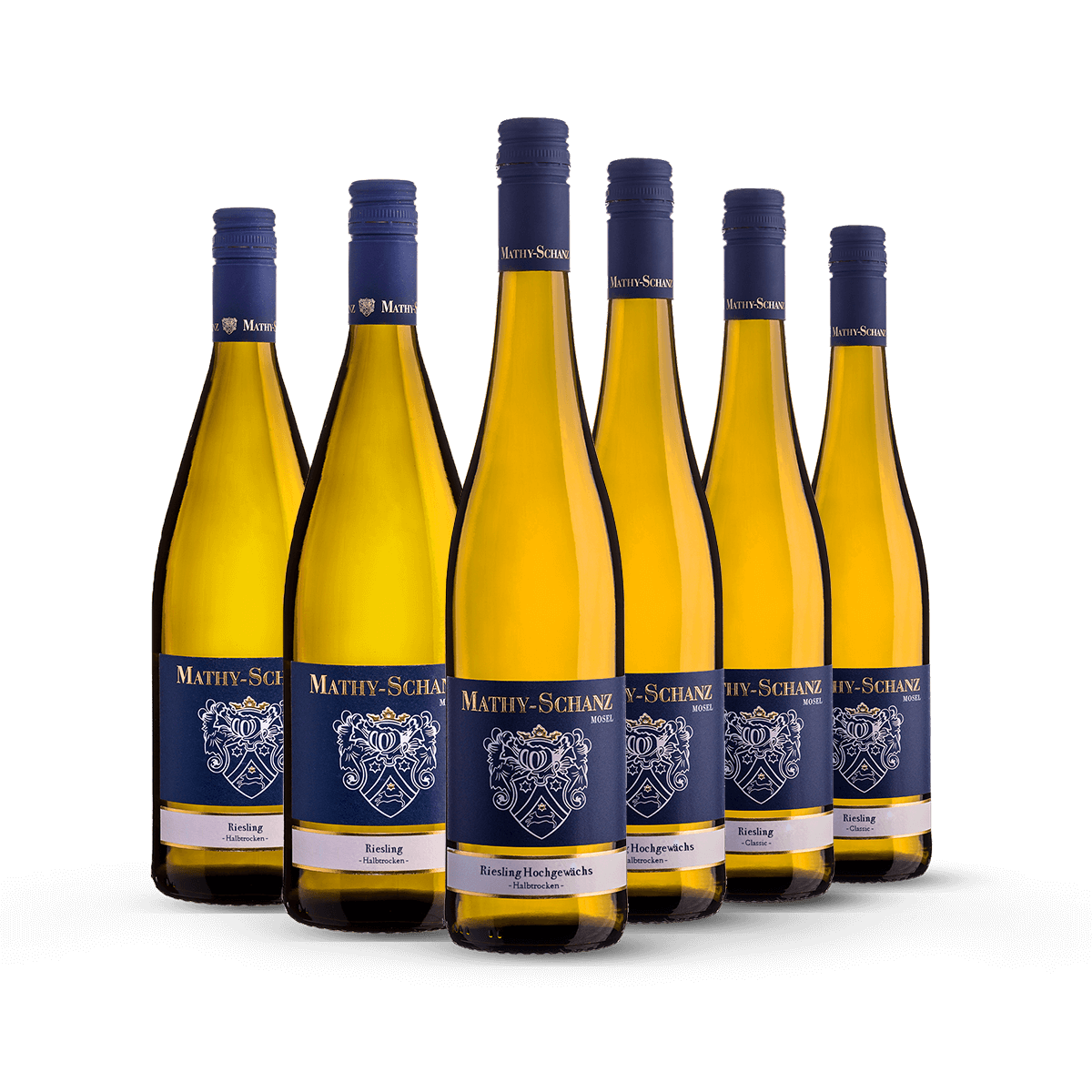
Semidry White Wine (6 btls) wine package

4.5 Liter (€10.04 / Liter)

€45.20
Wein probieren in der Natur

Semidry wines - overview

According to the German wine statistics 2016/2017, 1,673,000 hl of wine were declared as semidry according to the quality wine test. This corresponds to a good 20% of the total amount. With regard to the Mosel, the proportion is lower. Only 15% of the wines were classified as "semidry". This also applies almost exactly to our winery.

Semidry wine & residual sugar

According to the Wine Act, semidry wine may contain a maximum of 9 to 18 g/l of residual sugar. Specifically, this means that the wine still contains a certain amount of unfermented sugar. During fermentation, the sugar is converted into alcohol. The later the fermentation process is stopped, the drier the wines become. In order for the wine to be classified as "semidry", it must be within the above range.
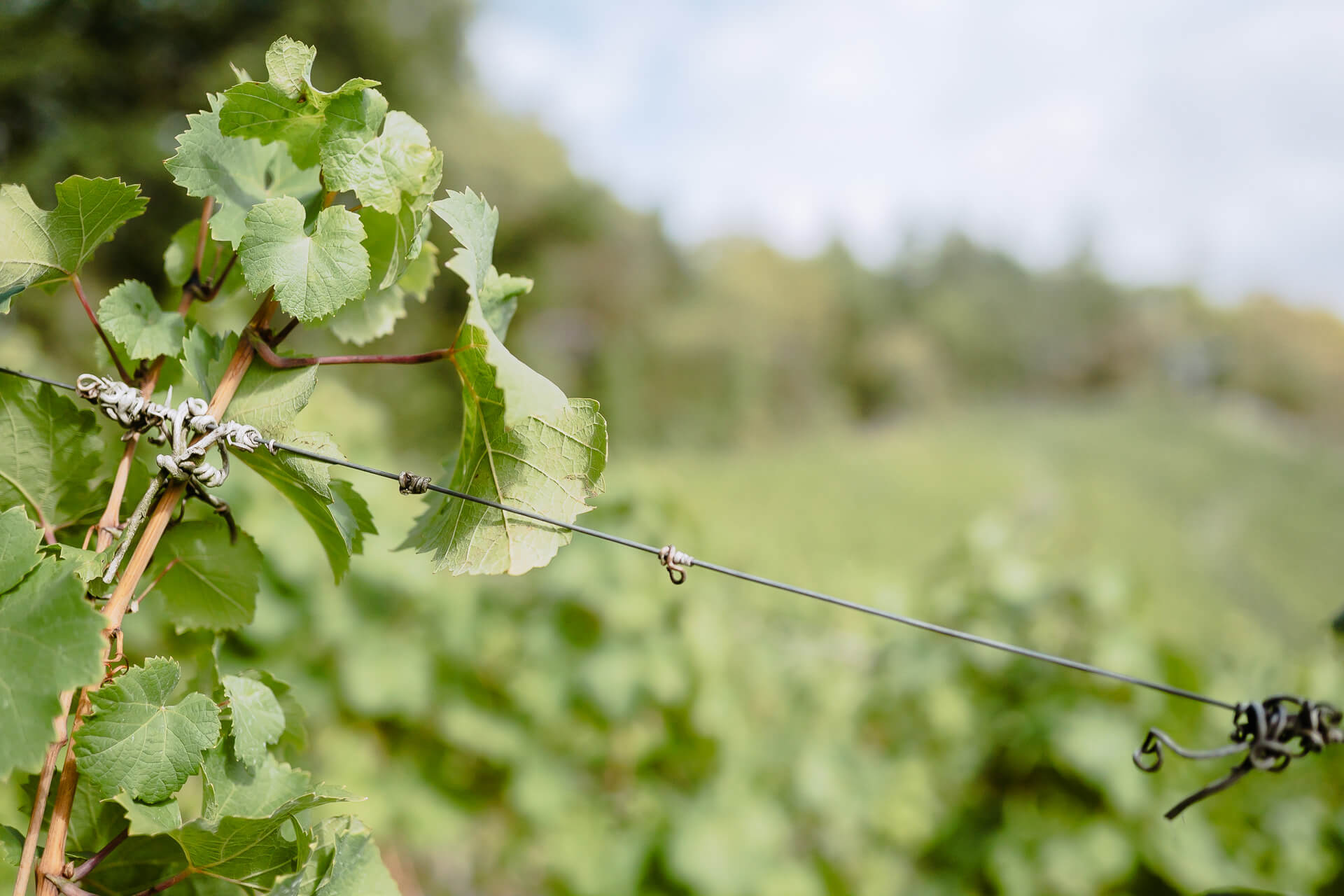
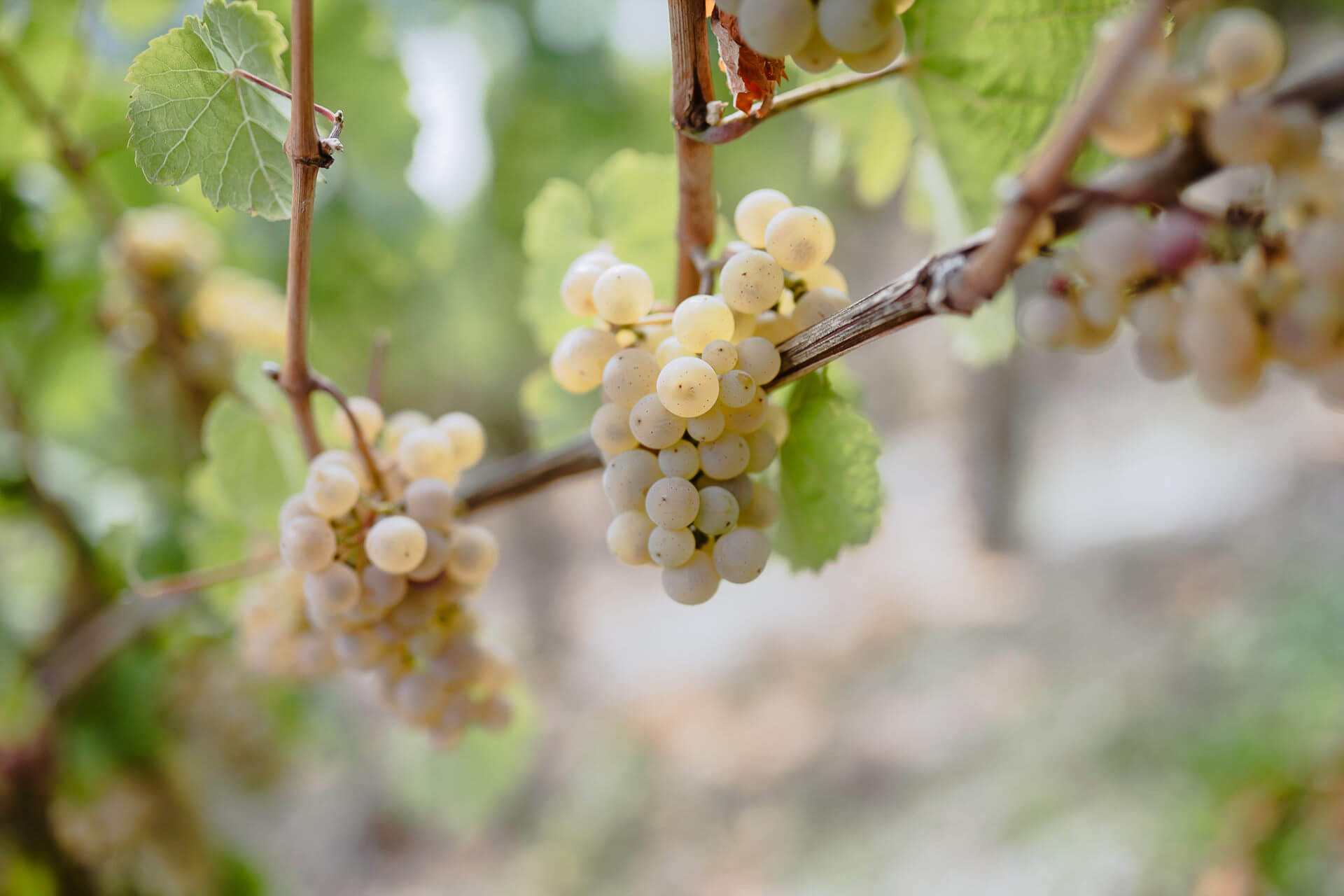
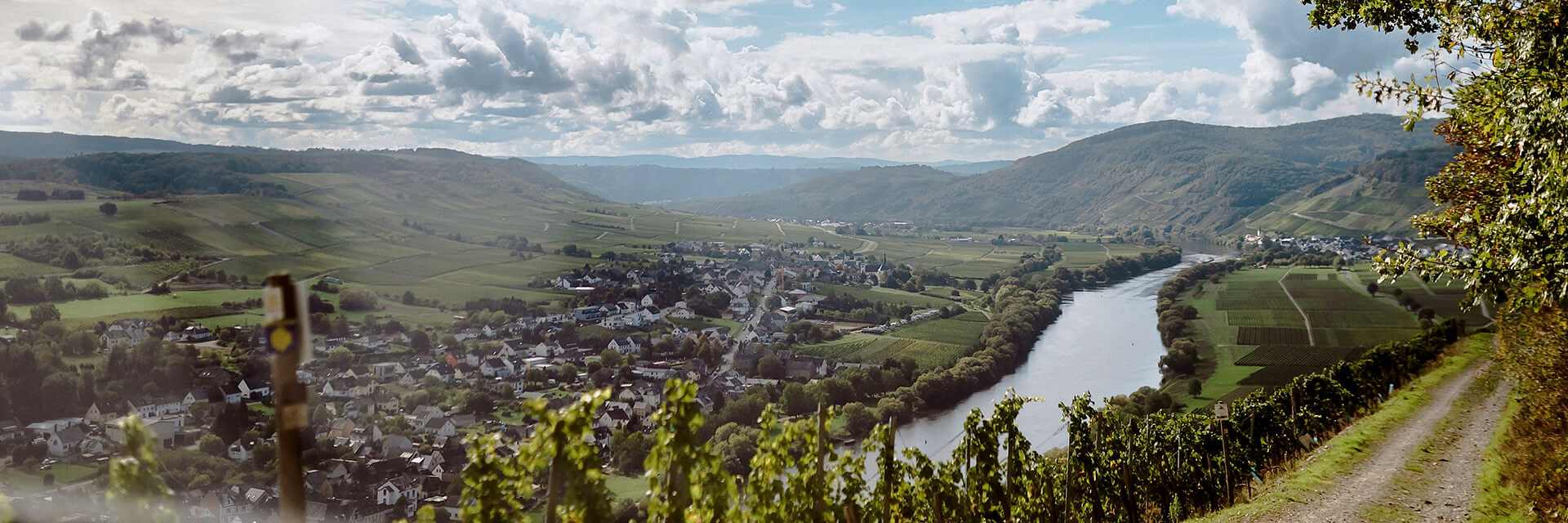
Weinberg
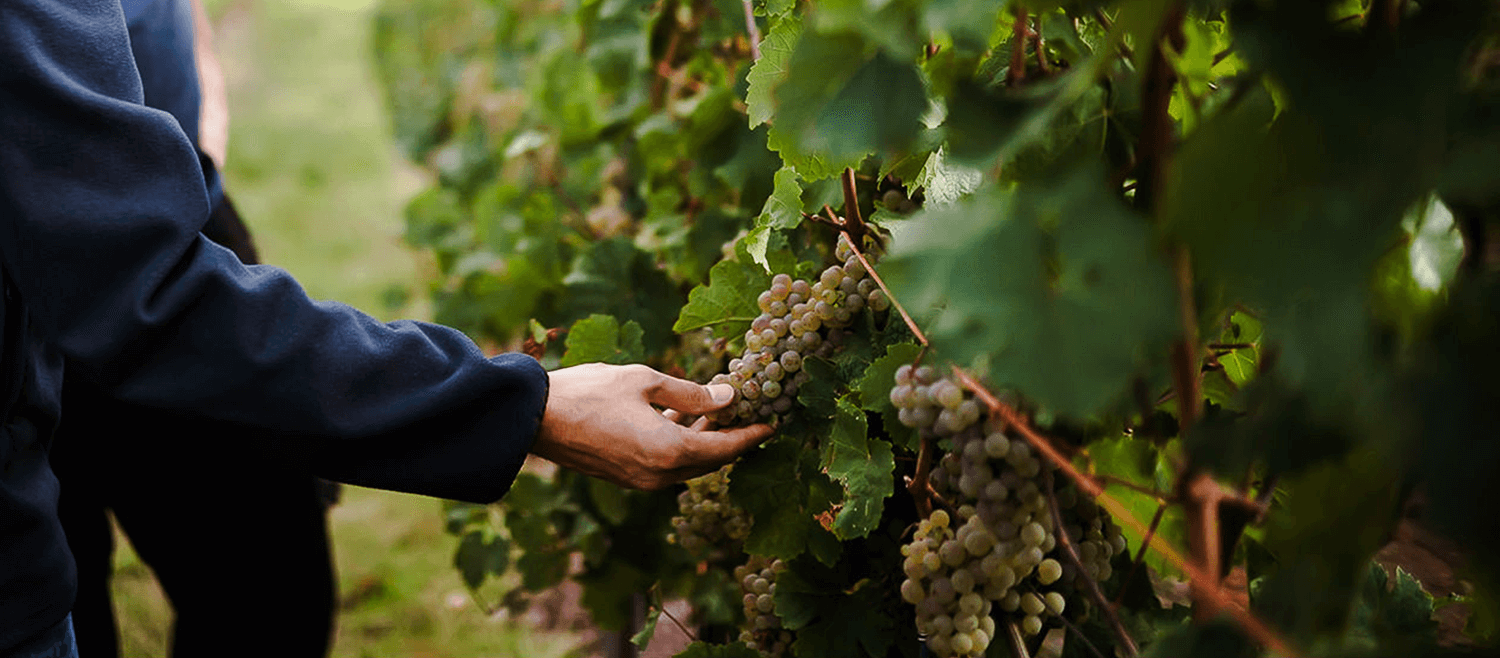
Riesling-Traube

Semidry wine & acidity

In addition to the residual sugar, the acidity must also be taken into account. In the case of semidry wine, the residual sugar content must not exceed the acid content by more than 10 g/l. Because in addition to the sugar, which gives these wines a slight residual sweetness, the acidity has a decisive influence on the taste. If the acidity is high, the wine can also taste dry. Conversely, the wine gets a much sweeter character when the acidity is low.

Semidry FAQs

What does “semidry” mean in wine?
A wine is considered semidry when it contains more than 9 and up to 18 grams of residual sugar per liter. As with dry wines, legal regulations define the balance between residual sugar and acidity.
How does semidry wine differ from dry wine?
Semidry wines contain more residual sugar than dry wines, which makes them taste slightly softer and rounder. However, they still retain freshness and do not appear fully sweet, but rather balanced.
How does semidry wine taste?
Semidry wines combine a subtle sweetness with lively acidity. This creates a harmonious balance of fruit, freshness, and a gentle hint of sweetness.
Which wines are produced in a semidry style?
All types of wine can be produced in a semidry style, including white, red, and rosé wines. This style is especially common in grape varieties such as Riesling and Müller-Thurgau.
Why are semidry wines so popular?
Semidry wines are appreciated for their accessibility, as they combine freshness with a touch of sweetness. This makes them appealing to a wide range of wine drinkers.
What role does the Mosel play in semidry wines?
The Mosel region is known for finely balanced wines with natural freshness. Semidry Mosel wines, especially Rieslings, are characterized by a precise balance between acidity and fruit sweetness.
What food pairs well with semidry wines?
Semidry wines pair particularly well with lightly spiced dishes, Asian cuisine, or meals with subtle heat. Their slight sweetness can balance spiciness and create a harmonious pairing.
How does origin influence semidry wines?
Origin also has a strong impact on semidry wines. In the Mosel region, slate soils, steep vineyard slopes, and a cool climate create a refined balance of fruit sweetness, acidity, and minerality.

Telephone advice or ordering

Phone Icon

Mon - Sat 8:00 a.m. - 5:30 p.m
Phone +49 (0) 653 571 40

Mosel wine directly from the winemaker

Vegan Icon

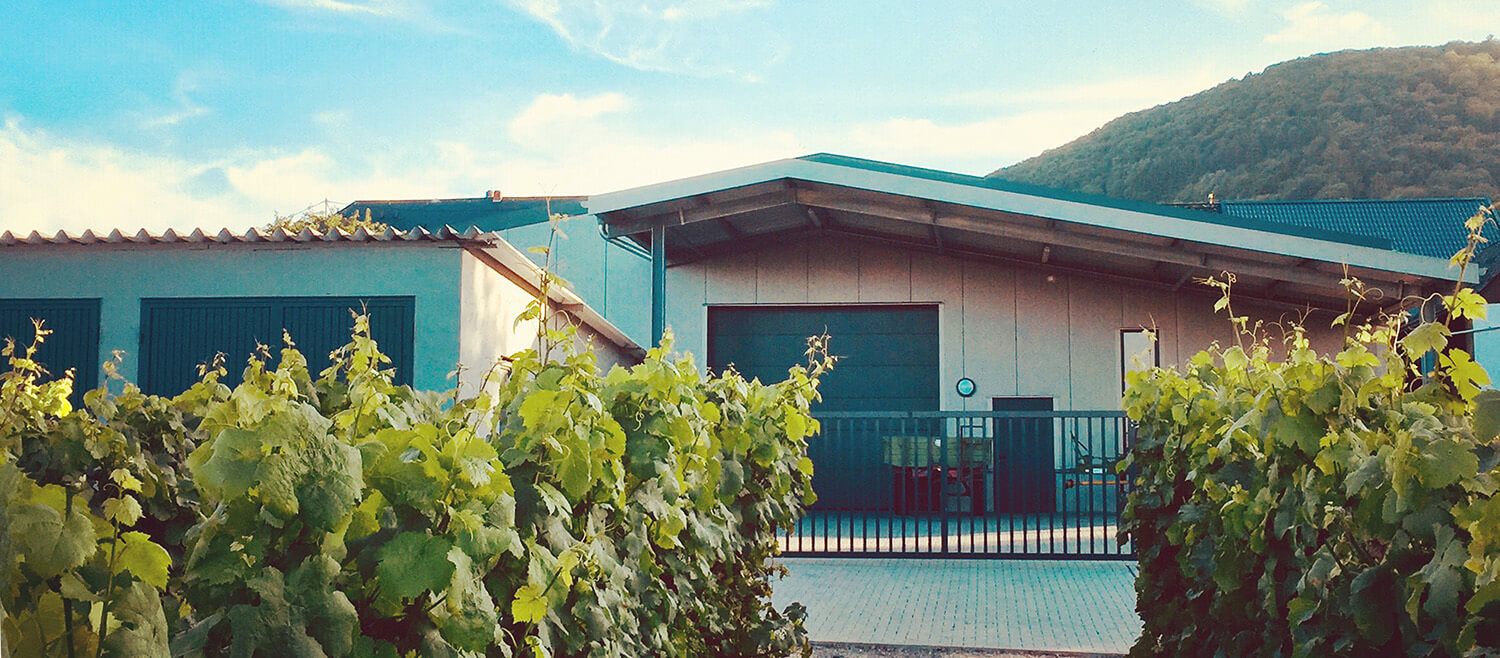
Grown, harvested and bottled by us at the Middle Moselle.

Customers who trust us say: